A Guide to Workforce Housing: Building for the Future
Understanding Workforce Housing
As urban areas continue to grow, the need for affordable housing solutions becomes increasingly important. Workforce housing is designed to serve middle-income workers who are vital to a community's economy yet struggle to find affordable living options. These individuals often include teachers, nurses, police officers, and retail workers.
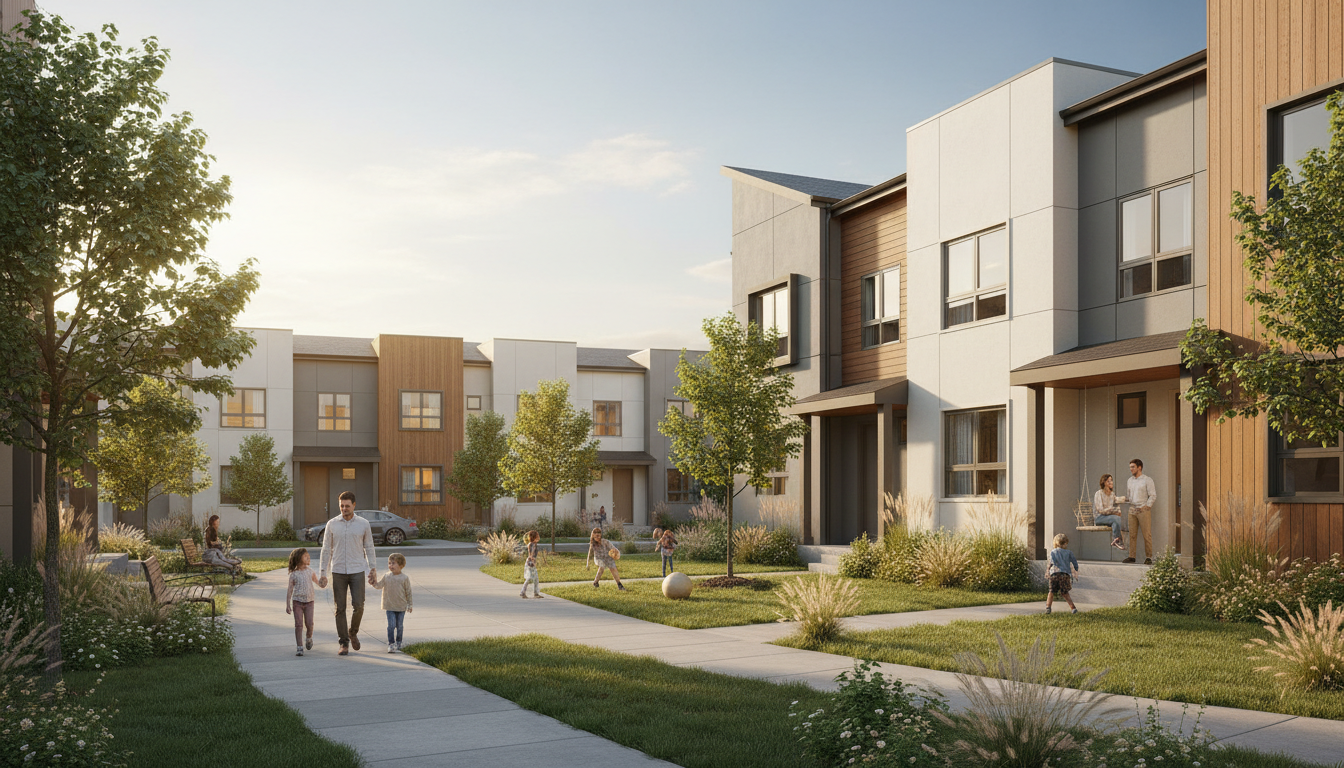
Why Workforce Housing Matters
Workforce housing plays a crucial role in maintaining a balanced and sustainable community. It ensures that essential workers can live near their workplaces, reducing commute times and transportation costs. This proximity not only enhances their quality of life but also contributes to greater job satisfaction and productivity.
Challenges in Developing Workforce Housing
Despite its importance, developing workforce housing presents several challenges. High land costs, regulatory hurdles, and limited financing options can impede progress. Addressing these obstacles requires innovative approaches and collaboration between public and private sectors.
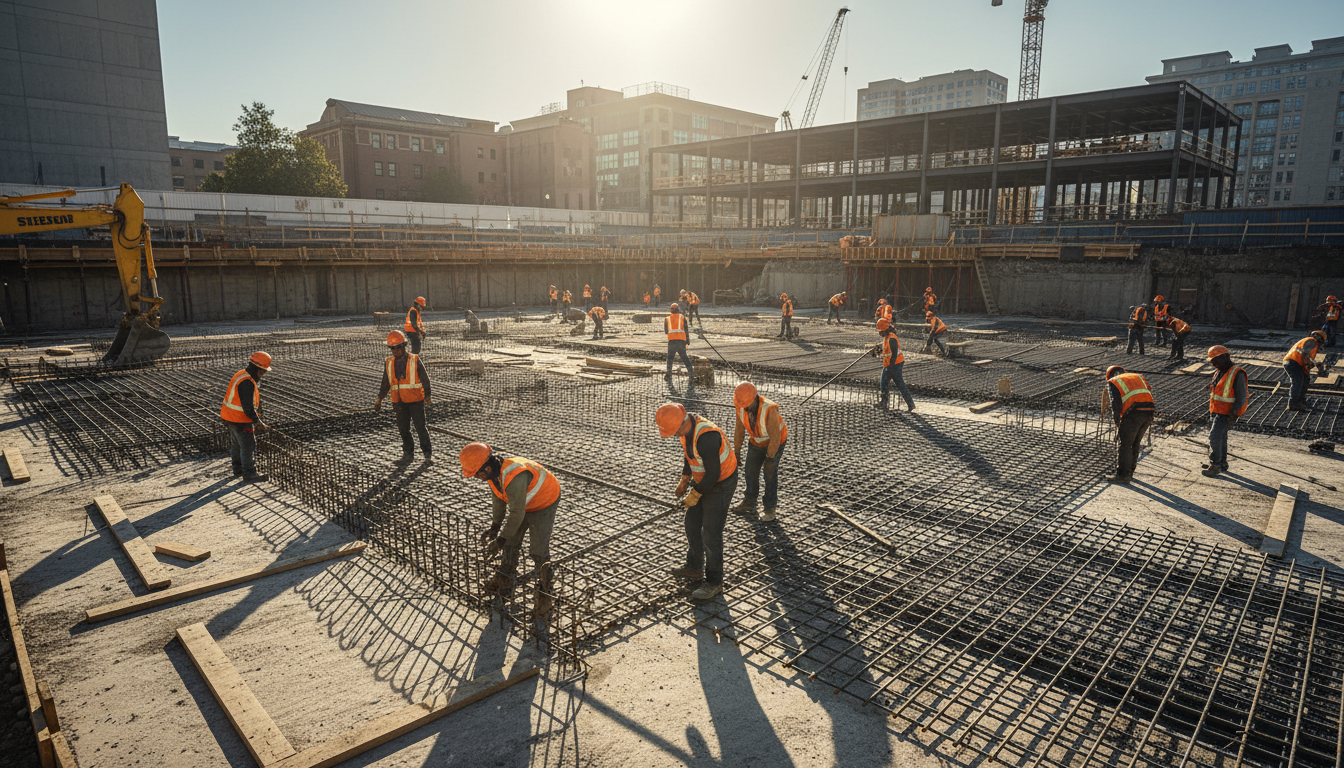
Innovative Solutions for Workforce Housing
Various strategies can be employed to overcome the barriers to workforce housing development. Some effective solutions include:
- Public-Private Partnerships: Collaborations can leverage resources and share risks, making projects more feasible.
- Adaptive Reuse: Converting underutilized buildings into housing can be a cost-effective way to increase supply.
- Incentive Programs: Tax credits and subsidies can encourage developers to invest in workforce housing projects.
The Role of Policy in Workforce Housing
Government policy can significantly impact the availability and affordability of workforce housing. Zoning laws, building codes, and financial incentives all play a role in shaping the housing landscape. Advocating for policies that support the development of workforce housing is essential for long-term success.
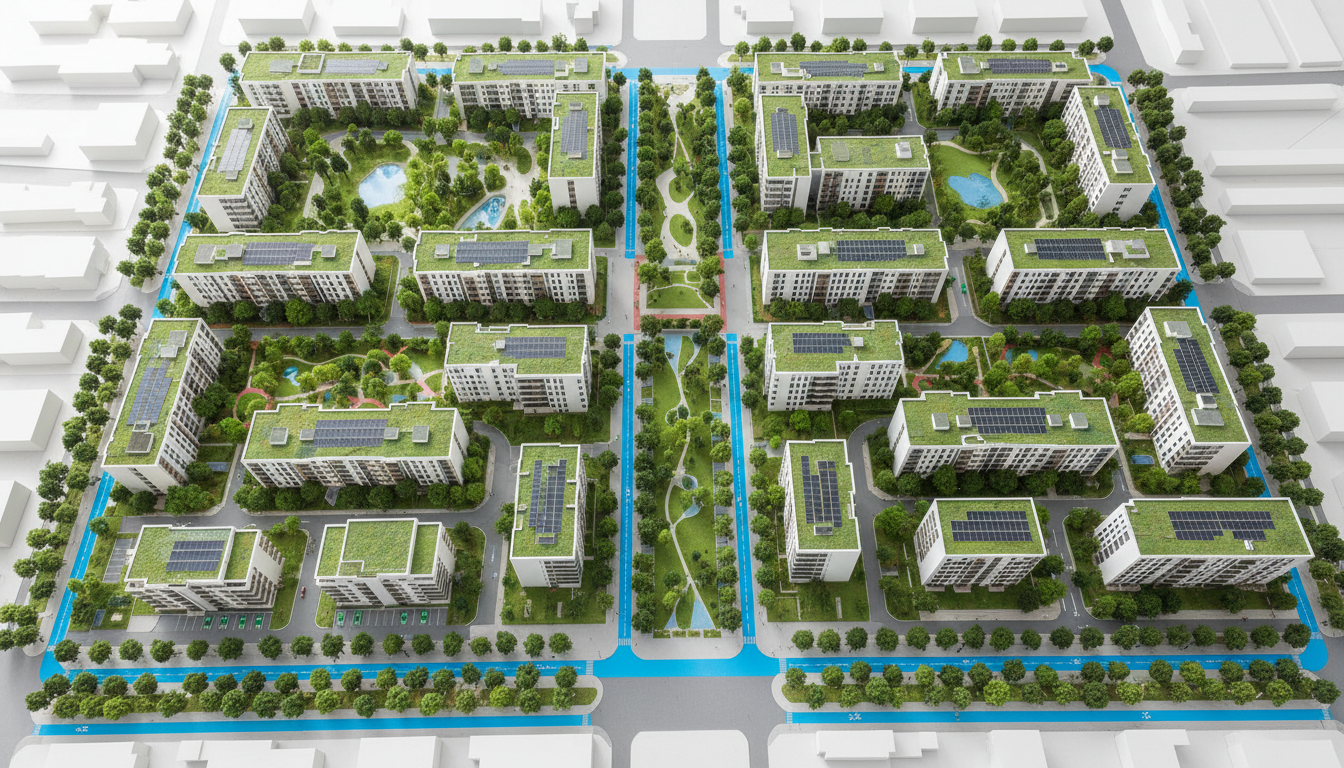
Future Outlook for Workforce Housing
As cities continue to expand, the demand for workforce housing is expected to grow. Embracing sustainable building practices and integrating technology can further enhance the appeal and functionality of these developments. By prioritizing workforce housing, communities can create a more inclusive and resilient future.
Conclusion
Workforce housing is a critical component of thriving communities. It supports essential workers, fosters economic stability, and enhances overall quality of life. By addressing the challenges and embracing innovative solutions, we can build a future where everyone has access to affordable, quality housing.