Case Study: Transforming Civic Spaces with Sustainable Infrastructure
Introduction to Sustainable Civic Spaces
In recent years, there has been a growing movement towards creating more sustainable civic spaces that not only serve the community but also minimize environmental impact. This shift is driven by the urgent need to address climate change and urbanization challenges. As cities worldwide strive to become more eco-friendly, innovative designs and technologies are being employed to transform these public areas.
Sustainable infrastructure in civic spaces includes features such as green roofs, permeable pavements, and energy-efficient lighting. These elements not only reduce carbon footprints but also enhance the quality of life for residents. Let's explore how some cities have successfully implemented these strategies.
Case Study: The Revitalization of Mill Park
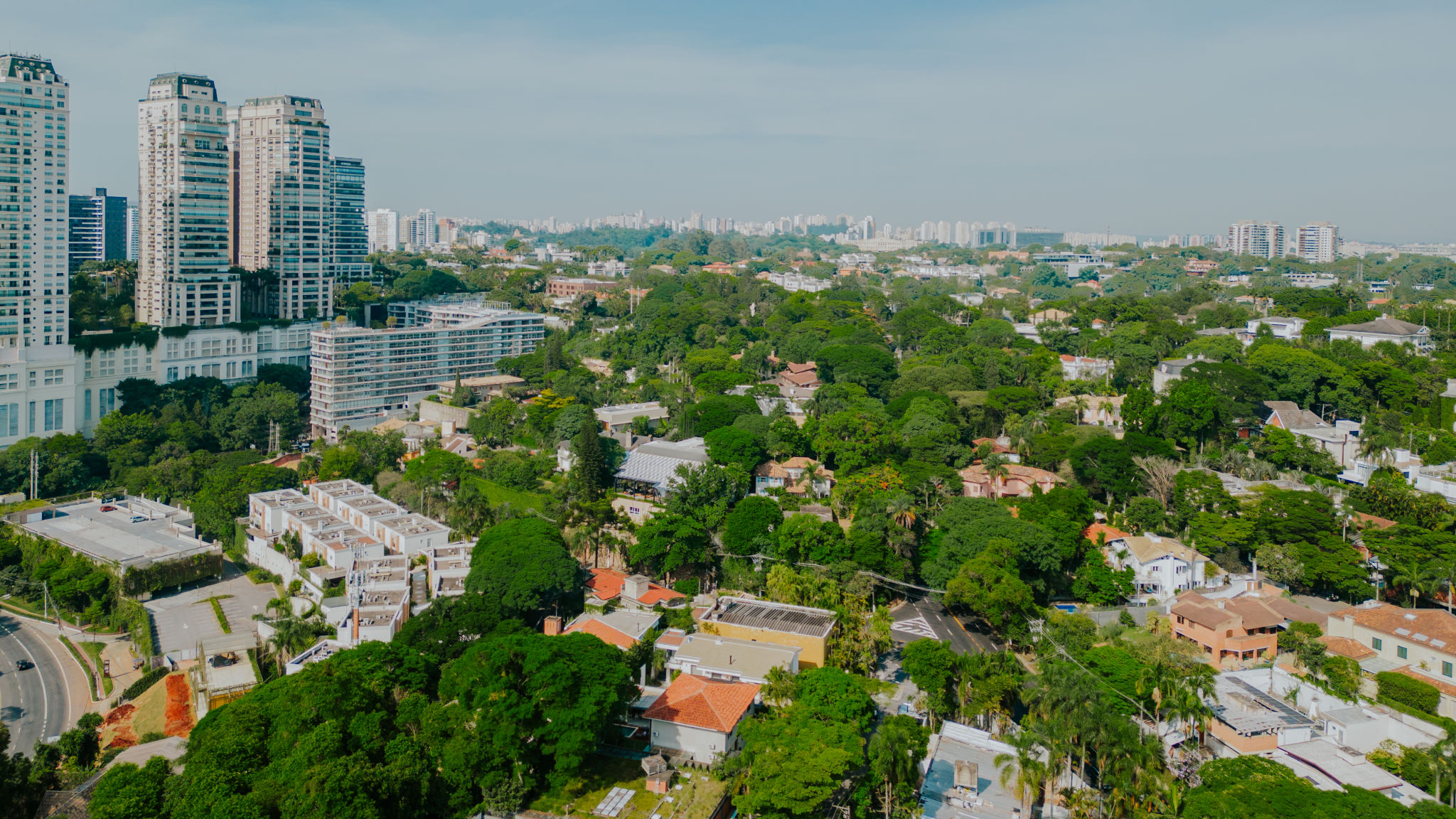
One remarkable example of transforming a civic space with sustainable infrastructure is the revitalization of Mill Park. Located in the heart of the city, Mill Park was once an underutilized area plagued by pollution and neglect. However, a collaborative effort between the local government, environmental organizations, and community members has turned it into a thriving green oasis.
The project focused on several key elements to enhance sustainability. First, the introduction of rain gardens and bioswales helped manage stormwater runoff naturally. This not only reduced flooding risks but also improved water quality in nearby rivers.

Green Infrastructure Implementation
Another significant aspect of Mill Park's transformation was the installation of green infrastructure. Green roofs on public buildings and bus shelters were implemented to insulate structures, reduce energy consumption, and provide habitats for urban wildlife. Additionally, permeable pavements were used extensively throughout the park, allowing rainwater to seep into the ground instead of overwhelming storm drains.
These changes have not only made Mill Park more environmentally friendly but have also created aesthetic improvements that attract more visitors and boost local business activities.
Community Involvement and Education
Community involvement played a crucial role in the success of Mill Park's transformation. Local residents and stakeholders were actively engaged through workshops and public consultations, ensuring that their needs and concerns were addressed. This participatory approach fostered a sense of ownership and pride among community members.

Moreover, educational programs were introduced to raise awareness about the benefits of sustainable infrastructure. Schools and local organizations offered tours and workshops about the park's features, helping to inspire future generations to continue advocating for green practices.
Measuring Success: Environmental and Social Benefits
The benefits of transforming Mill Park have been multifaceted. Environmentally, there has been a noticeable increase in biodiversity, with native plants and animals returning to the area. Socially, the park has become a popular gathering spot for families and groups, enhancing community cohesion.
Economically, the revitalized park has attracted new businesses and increased property values in the surrounding area. These outcomes highlight the potential for similar projects to stimulate local economies while promoting sustainability.
Conclusion: A Model for Future Developments
The case of Mill Park demonstrates how sustainable infrastructure can breathe new life into civic spaces while addressing environmental challenges. As cities continue to grow and evolve, adopting these strategies will be essential for creating livable, resilient communities.
This transformation serves as a model for other municipalities aiming to integrate sustainability into their public spaces. By prioritizing eco-friendly designs and community involvement, cities can create vibrant areas that benefit people and the planet alike.