Comprehensive Guide to Ground-Up Construction Projects
Understanding Ground-Up Construction
Ground-up construction is a process that involves building a structure entirely from scratch. This method provides the flexibility to design every aspect of the building according to specific requirements. It's an exciting yet complex undertaking that requires meticulous planning and execution.
Initial Planning and Design
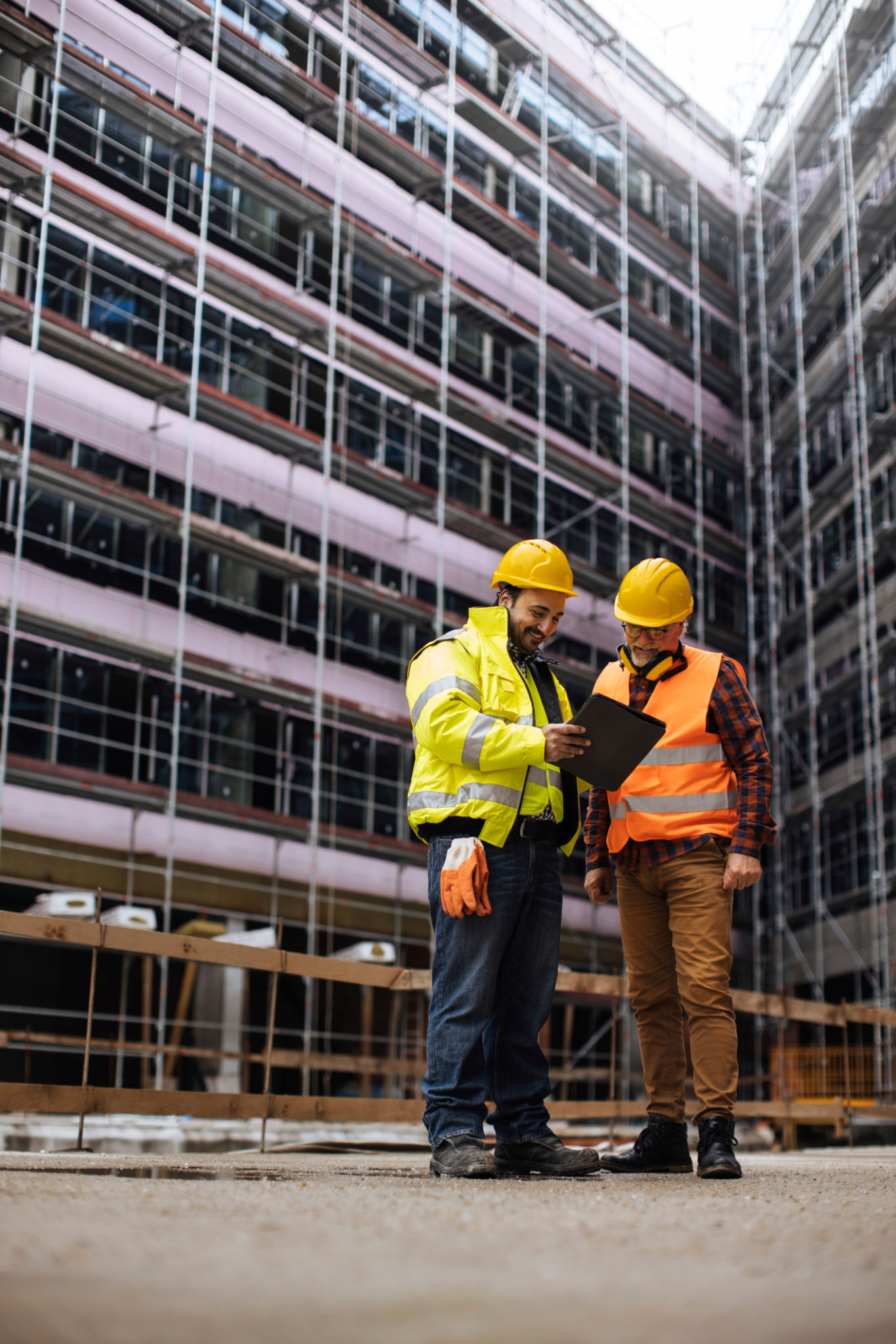
The first step in any ground-up construction project is the initial planning and design phase. This involves collaborating with architects, engineers, and designers to create a blueprint that aligns with the client's vision. During this stage, it is crucial to consider factors such as site location, zoning laws, and environmental impact.
Once the design is finalized, securing the necessary permits is essential. This can be a time-consuming process, but it ensures that the project complies with local regulations. Working with experienced professionals can streamline this step.
Site Preparation and Foundation
After obtaining the necessary permits, the next phase is site preparation. This includes clearing the land, leveling the ground, and setting up temporary utilities. Proper site preparation is vital for a solid foundation, which is the cornerstone of any successful construction project.

Building the foundation involves laying down concrete and reinforcing it with steel rods. This stage must be completed with precision, as any errors can lead to structural issues later on.
Framing and Structural Work
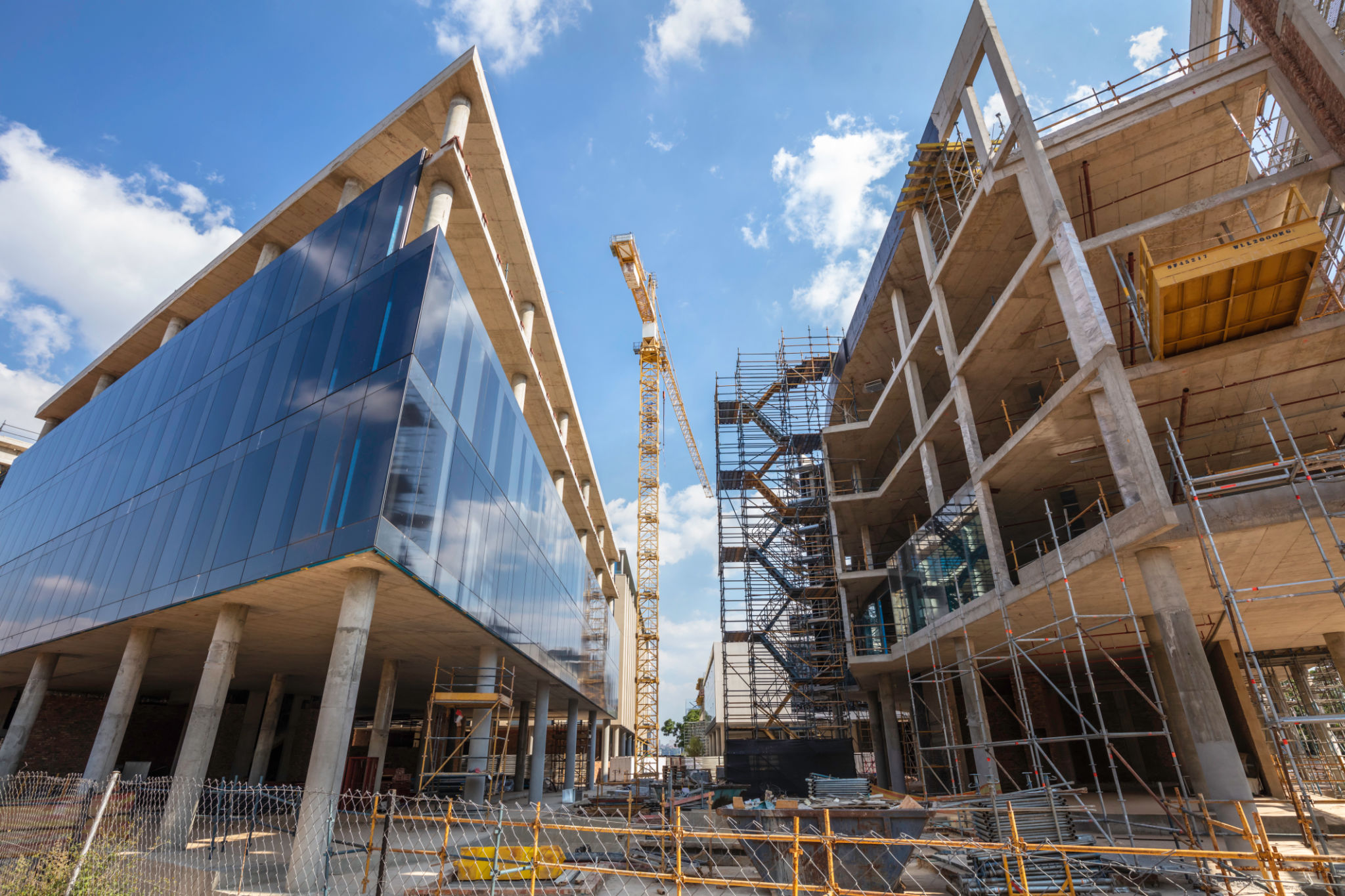
Once the foundation is set, the framing process begins. This involves constructing the skeleton of the building using wood, steel, or concrete, depending on the design. The framing provides structural support and outlines the building's shape.
During this stage, other structural components such as beams, columns, and floors are also installed. It's important to ensure that all elements are aligned correctly to maintain the building's integrity.
Mechanical, Electrical, and Plumbing (MEP)
The MEP phase involves installing essential systems such as heating, ventilation, air conditioning, electrical wiring, and plumbing. These systems need to be integrated seamlessly with the building's design to ensure functionality and efficiency.
Coordination among various teams is crucial during this phase to avoid conflicts and ensure that each system functions properly. Regular inspections help maintain quality and address any issues promptly.
Finishing Touches and Inspections
With the structural and MEP work complete, attention turns to the finishing touches. This includes installing doors, windows, flooring, and interior fixtures. The final stage is an opportunity to focus on aesthetics and functionality.

Before the building can be occupied, it must pass a series of inspections. These checks ensure that everything meets safety and quality standards. Once approved, the project is ready for handover.
Conclusion
Ground-up construction projects offer the unique opportunity to create a building perfectly tailored to specific needs. While the process is complex and requires careful coordination, the result is a custom-built structure that meets all design and functionality requirements. With the right team and planning, ground-up construction can be a rewarding endeavor.