Creating Workforce Housing: Strategies for Scalability and Sustainability
Understanding Workforce Housing
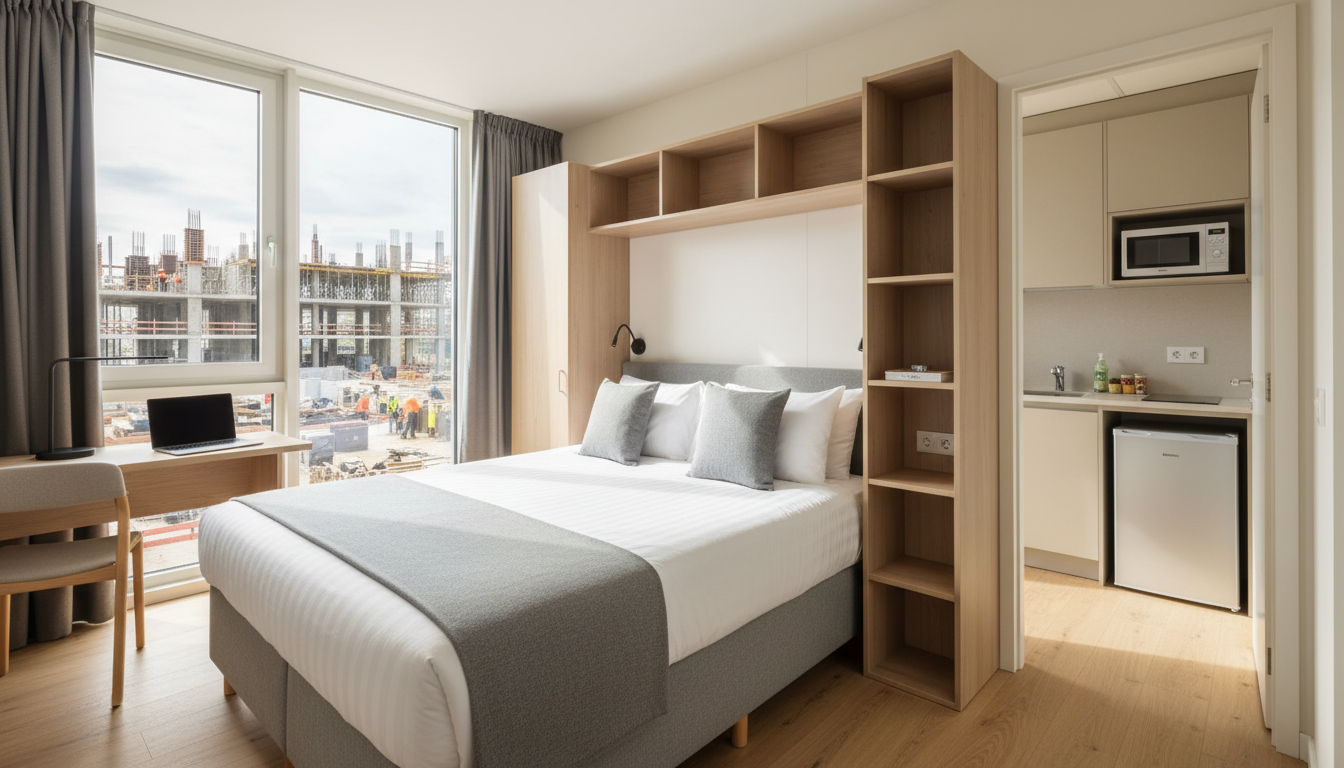
Workforce housing is a critical element in bridging the gap between affordable housing and market-rate housing. It specifically targets middle-income workers such as teachers, healthcare workers, and first responders who earn too much to qualify for subsidized housing but still struggle with high living costs. The goal of workforce housing is to provide these essential workers with affordable, quality homes near their workplaces.
Strategies for Scalability
Public-Private Partnerships
Public-private partnerships (PPPs) are instrumental in scaling workforce housing. By combining the resources and expertise of both sectors, PPPs can streamline development processes, reduce costs, and increase the availability of housing units. These collaborations can also access funding and incentives that might otherwise be unavailable.
Innovative Financing Models
Financial models such as mixed-income housing developments and inclusionary zoning can support scalability. Mixed-income developments bring together different income levels within a single project, leveraging higher-income units to subsidize lower-income ones. Inclusionary zoning mandates a percentage of new developments to be affordable, ensuring a continuous pipeline of workforce housing.
Ensuring Sustainability
Green Building Practices
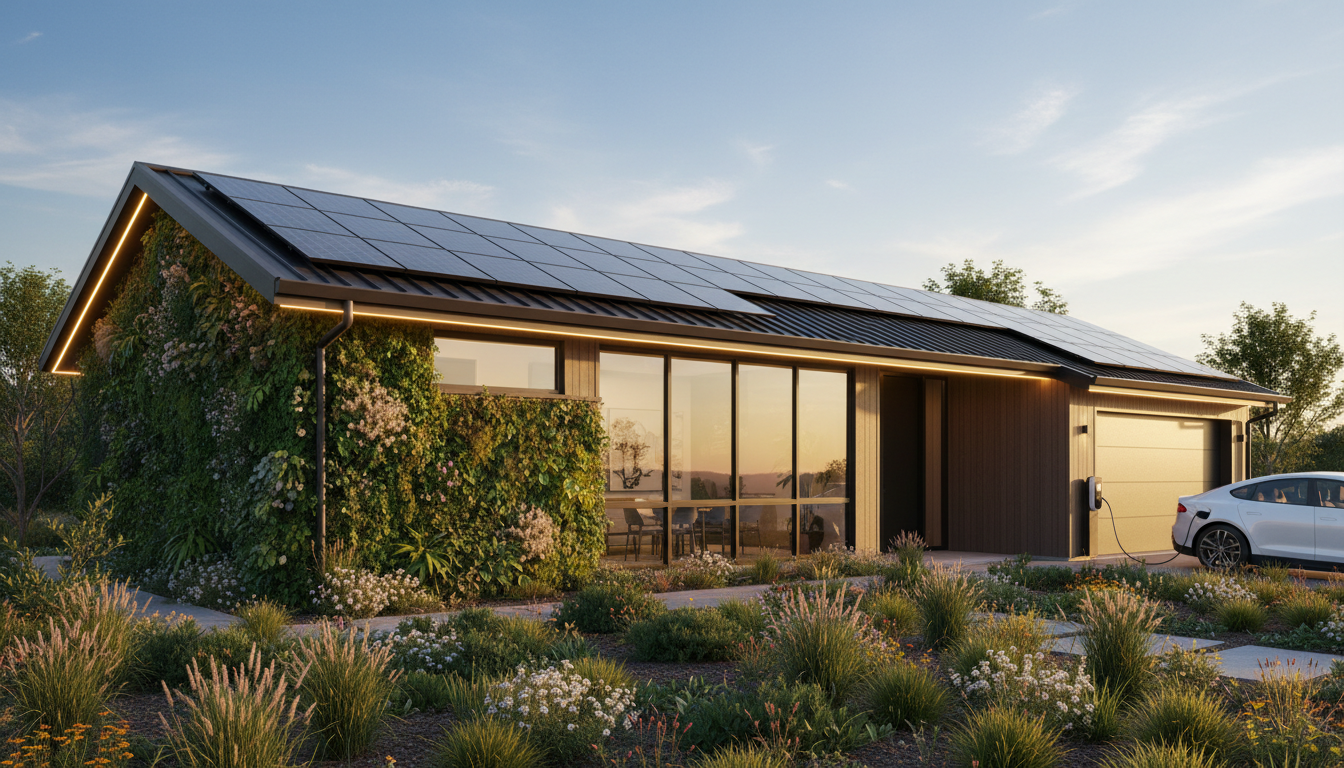
Incorporating green building practices is essential for creating sustainable workforce housing. These practices not only lower environmental impact but also reduce utility costs for residents. Implementing energy-efficient appliances, solar panels, and sustainable materials can significantly enhance the sustainability of housing projects.
Community Integration
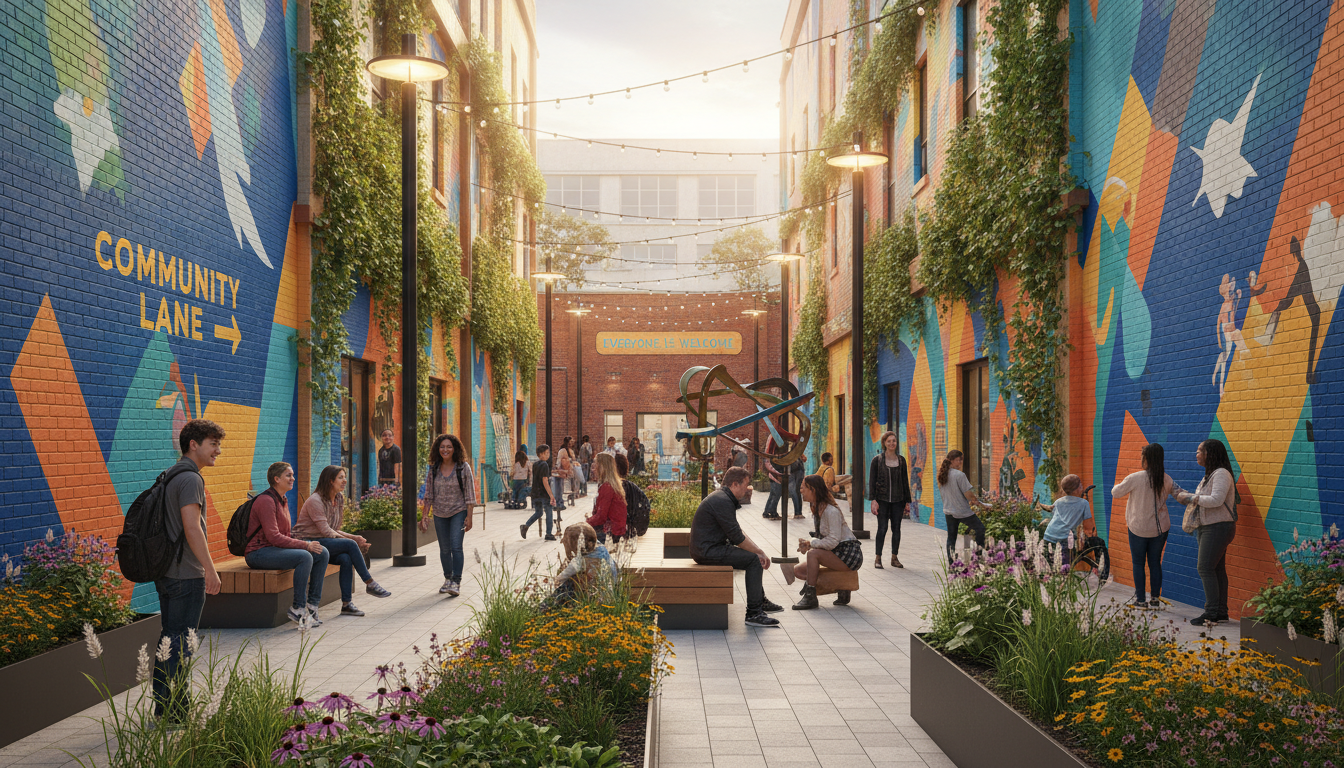
For workforce housing to be sustainable, it must be integrated into the community. This involves ensuring access to public transportation, schools, and healthcare facilities. Creating mixed-use developments that include retail and recreational spaces can also foster a sense of community and improve the quality of life for residents.
Challenges and Solutions
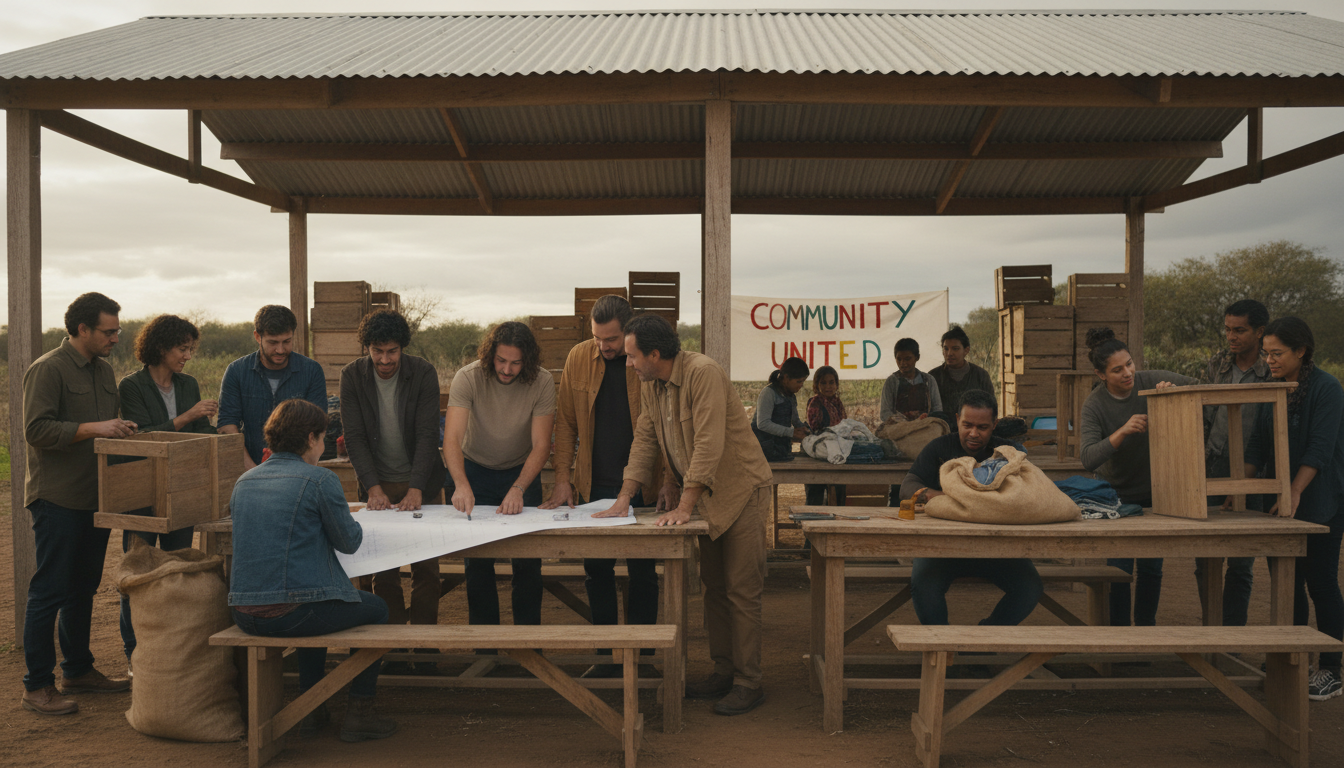
One of the main challenges in workforce housing is securing adequate funding. Innovative solutions such as tax credits, grants, and low-interest loans can help bridge financial gaps. Engaging community stakeholders early in the process can also mitigate potential resistance and garner local support.
Long-Term Viability
Ensuring the long-term viability of workforce housing projects requires ongoing management and maintenance. Establishing partnerships with experienced property managers can help maintain the quality of housing and address residents’ needs efficiently. Regular assessments and community feedback loops are also crucial for continuous improvement.
The Road Ahead
Creating scalable and sustainable workforce housing is a complex but essential endeavor. By leveraging innovative strategies and fostering collaborations, communities can provide affordable, quality housing for essential workers, thereby enhancing economic stability and quality of life.