Exploring the Benefits of Comprehensive Redevelopment
Understanding Comprehensive Redevelopment
Comprehensive redevelopment is more than just a facelift for a community or urban area. It involves a strategic overhaul that aims to enhance the economic, social, and environmental aspects of a locality. By focusing on multiple dimensions, redevelopment can lead to sustainable growth and improved quality of life for residents.
One of the primary benefits of comprehensive redevelopment is its ability to revitalize declining areas. By addressing underlying issues such as outdated infrastructure and lack of amenities, redevelopment can attract new businesses and residents, creating a vibrant and thriving community.
Economic Growth and Job Creation
One of the most significant advantages of comprehensive redevelopment is its impact on the economy. When areas are revitalized, they often attract new businesses, which in turn create job opportunities. This influx can lead to increased economic activity and a more robust local economy.
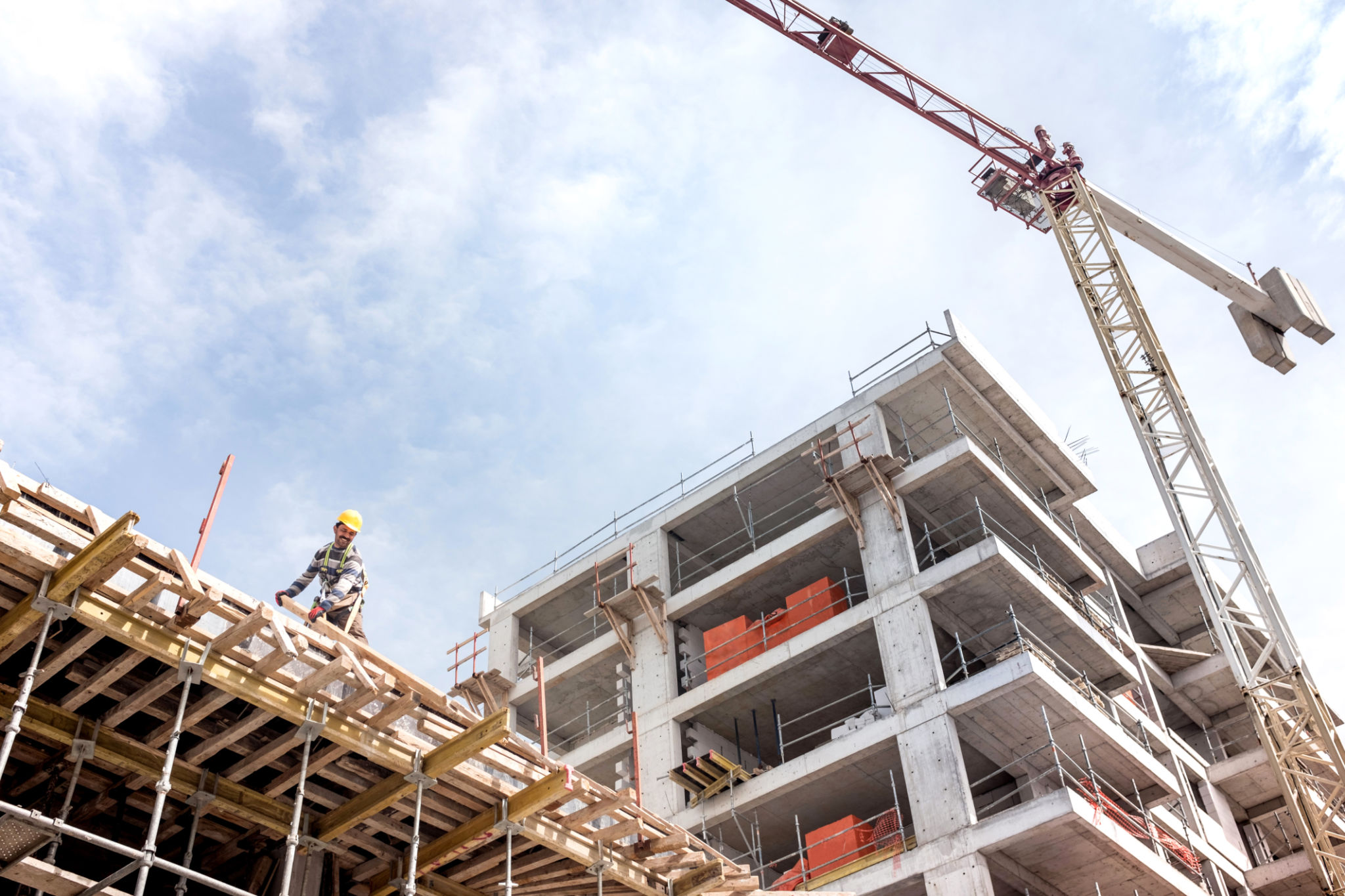
Moreover, redevelopment projects often involve construction and infrastructure upgrades, which directly create jobs. The ripple effects of these projects can stimulate growth in other sectors such as retail, hospitality, and services, contributing to a dynamic economic environment.
Enhancing Community Well-being
Comprehensive redevelopment is not solely about economic benefits. It also plays a crucial role in improving the social fabric of a community. By providing better housing, public spaces, and amenities, redevelopment can enhance the quality of life for residents.

Improved public spaces and amenities encourage social interaction and community engagement. This can lead to stronger community ties and a sense of belonging among residents, fostering a more cohesive and supportive environment.
Environmental Sustainability
Another critical aspect of comprehensive redevelopment is its focus on environmental sustainability. Modern redevelopment projects often incorporate green building practices, renewable energy sources, and sustainable urban planning to minimize environmental impact.
By prioritizing eco-friendly solutions, redevelopment can reduce carbon emissions, improve air quality, and promote biodiversity. This commitment to sustainability ensures that redevelopment efforts benefit both current and future generations.

Challenges and Considerations
While comprehensive redevelopment offers numerous benefits, it is not without challenges. Projects can face hurdles such as funding constraints, community opposition, and regulatory issues. Successful redevelopment requires careful planning, stakeholder engagement, and a clear vision to navigate these challenges effectively.
Engaging with the community and addressing their concerns can lead to more inclusive and accepted redevelopment projects. Transparent communication and collaboration with local residents and businesses are essential components of a successful redevelopment strategy.
Conclusion
Comprehensive redevelopment holds the potential to transform communities by fostering economic growth, enhancing quality of life, and promoting environmental sustainability. By addressing multiple facets of urban and community development, it offers a holistic approach to revitalization that benefits all stakeholders involved.
As cities and communities continue to evolve, embracing comprehensive redevelopment can lead to more resilient and vibrant urban environments that meet the needs of their inhabitants today and in the future.