How to Plan a Scalable Real Estate Project: Insights from LouTex
Understanding Scalability in Real Estate
When embarking on a real estate project, one of the key factors to consider is scalability. A scalable project can accommodate growth and adapt to market changes without significant overhauls. LouTex, a leader in real estate development, emphasizes the importance of creating a project that not only meets current demands but is also prepared for future expansion.
Scalability ensures that a real estate investment remains viable and profitable over time. By planning for scalability, developers can optimize resources, reduce costs, and enhance the overall value of their projects.

Setting Clear Objectives
Before diving into the planning phase, it is crucial to establish clear objectives. These objectives will guide every decision made throughout the project. LouTex recommends identifying the target market, defining the project scope, and setting realistic timelines. These steps ensure that the project aligns with market demand and business goals.
Having a well-defined objective not only helps in maintaining focus but also assists in communicating the project's vision to stakeholders, investors, and team members.
Identifying Market Needs
To ensure scalability, it's essential to conduct thorough market research. Understanding current trends, customer preferences, and potential competition can provide valuable insights. LouTex suggests leveraging data analytics to identify gaps in the market and predict future trends. This proactive approach allows developers to create projects that can evolve with changing market dynamics.

Designing Flexible Spaces
A crucial element of a scalable real estate project is flexibility. Designing spaces that can be easily adapted for different uses or configurations is vital. LouTex advises incorporating modular designs and multi-use areas that can serve various purposes over time. This adaptability can significantly enhance the project's long-term appeal and functionality.
Flexible spaces not only cater to diverse needs but also increase the project's attractiveness to a broader range of potential clients or tenants.
Incorporating Technology
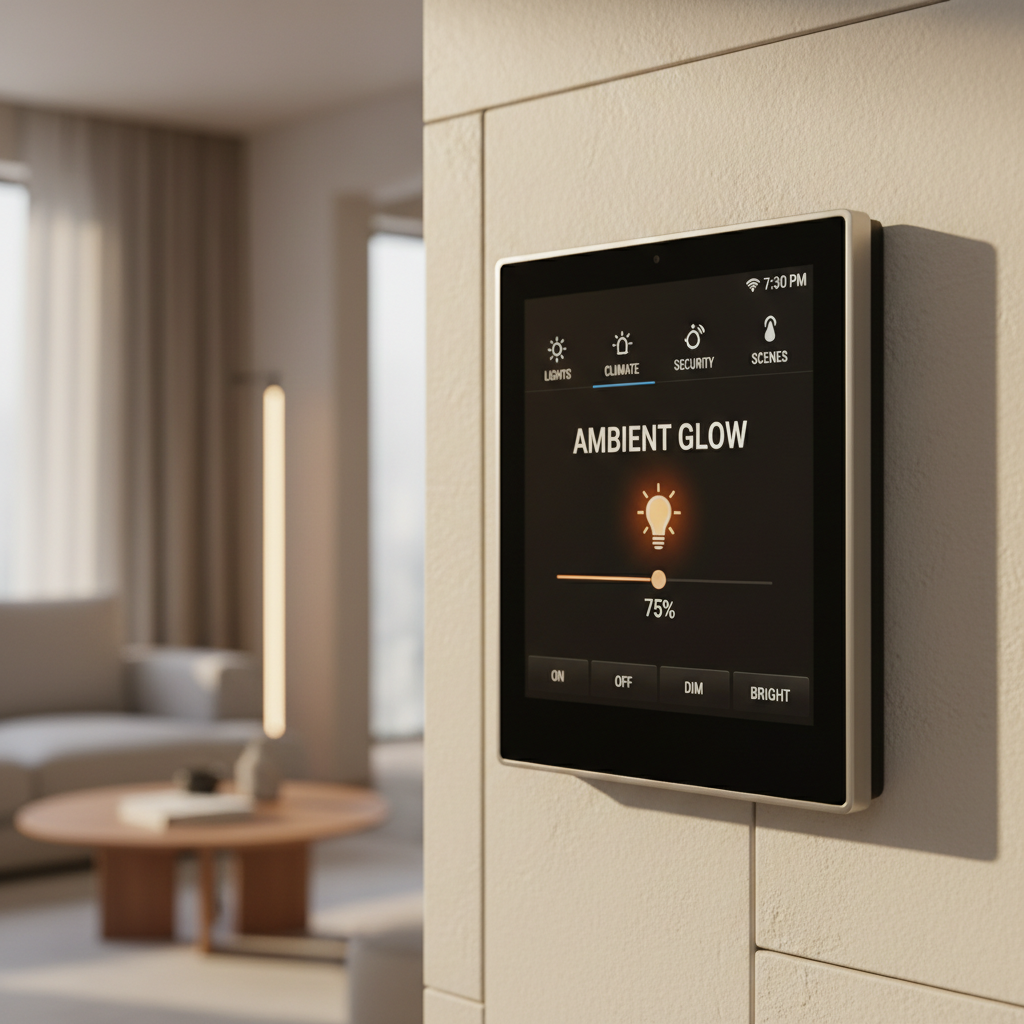
In today's digital age, integrating technology into real estate projects is non-negotiable. Smart building solutions, energy-efficient systems, and advanced security features can add significant value. LouTex highlights the importance of investing in technology that can be upgraded or expanded as needed, ensuring that the project remains competitive and modern.
Establishing a Solid Financial Plan
Financial planning is the backbone of any scalable project. LouTex emphasizes the need for a comprehensive financial strategy that includes budgeting for unforeseen expenses and planning for phased developments. This approach not only mitigates risks but also ensures that the project can proceed smoothly even if market conditions fluctuate.
By maintaining financial flexibility, developers can make informed decisions and pivot strategies as necessary to maintain project viability and profitability.
Engaging Stakeholders
Finally, engaging with stakeholders throughout the project is crucial. Regular communication and updates foster trust and collaboration. LouTex recommends involving stakeholders in key decisions and maintaining transparency to build strong, lasting relationships. This collaborative approach can lead to more innovative solutions and shared success.
By following these insights from LouTex, developers can plan scalable real estate projects that are well-equipped to thrive in an ever-changing market landscape.