Innovative Redevelopment Methods in Texas: Transforming Communities for the Future
Texas, known for its vast landscapes and dynamic cities, is experiencing a wave of transformation through innovative redevelopment methods. These methods are not only reshaping urban landscapes but are also fostering sustainable growth and enhancing community well-being. From repurposing unused spaces to integrating smart technologies, Texas is setting the stage for future-ready communities.
Adaptive Reuse: Breathing New Life into Old Structures
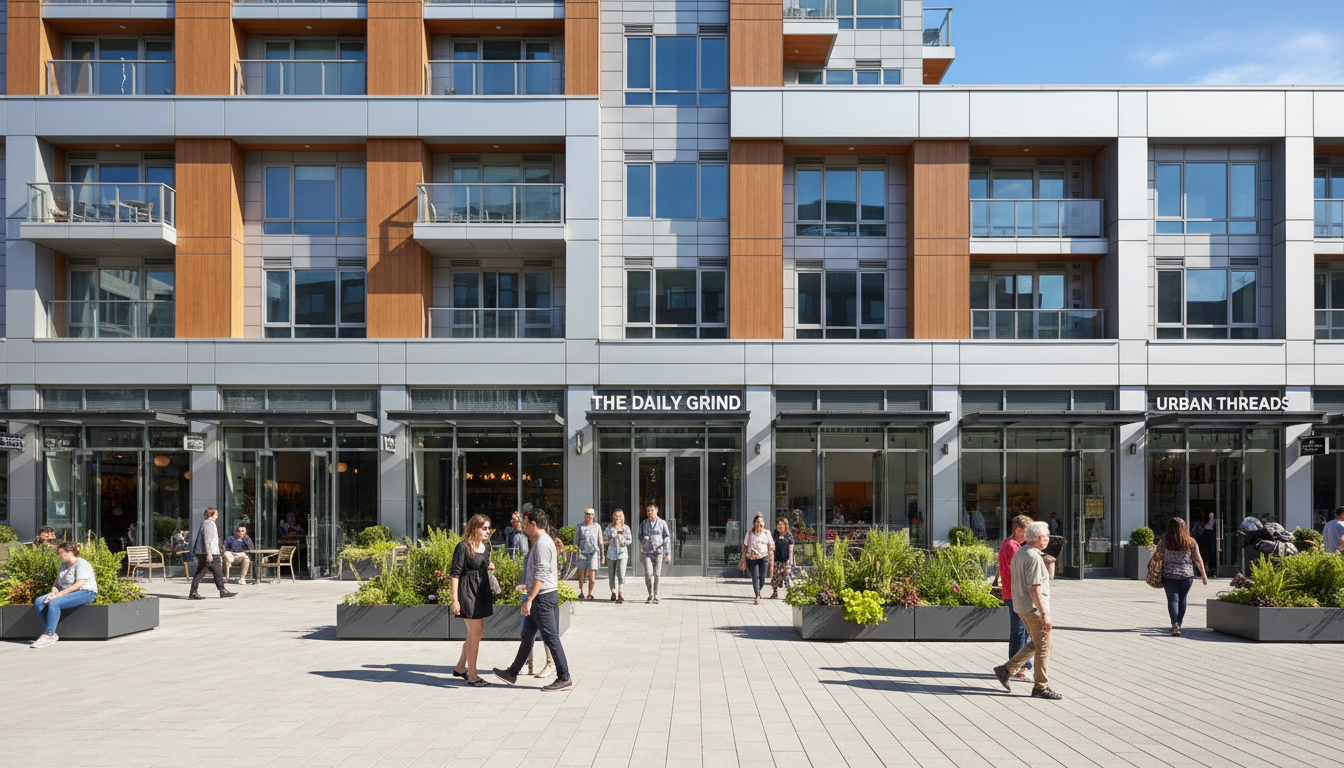
One of the key strategies in Texas's redevelopment efforts is adaptive reuse. This involves taking old, often historic buildings and repurposing them for modern use. By preserving architectural heritage while infusing new functionalities, adaptive reuse projects maintain cultural identity and reduce environmental impact by minimizing new construction.
For instance, former industrial sites are being transformed into vibrant mixed-use developments, offering residential, commercial, and recreational spaces. This approach not only conserves resources but also revitalizes neighborhoods, making them attractive to residents and visitors alike.
The Rise of Mixed-Use Developments
Mixed-use developments are becoming a cornerstone of urban redevelopment in Texas. These projects combine residential, commercial, and recreational facilities in a single location, creating a seamless living experience. By fostering walkability and reducing reliance on vehicles, mixed-use developments contribute to healthier, more connected communities.
Such developments are strategically positioned near public transportation hubs, enhancing accessibility and encouraging sustainable commuting practices. This not only benefits the environment but also boosts local economies by increasing foot traffic to businesses.
Smart City Technologies: Integrating Innovation into Infrastructure
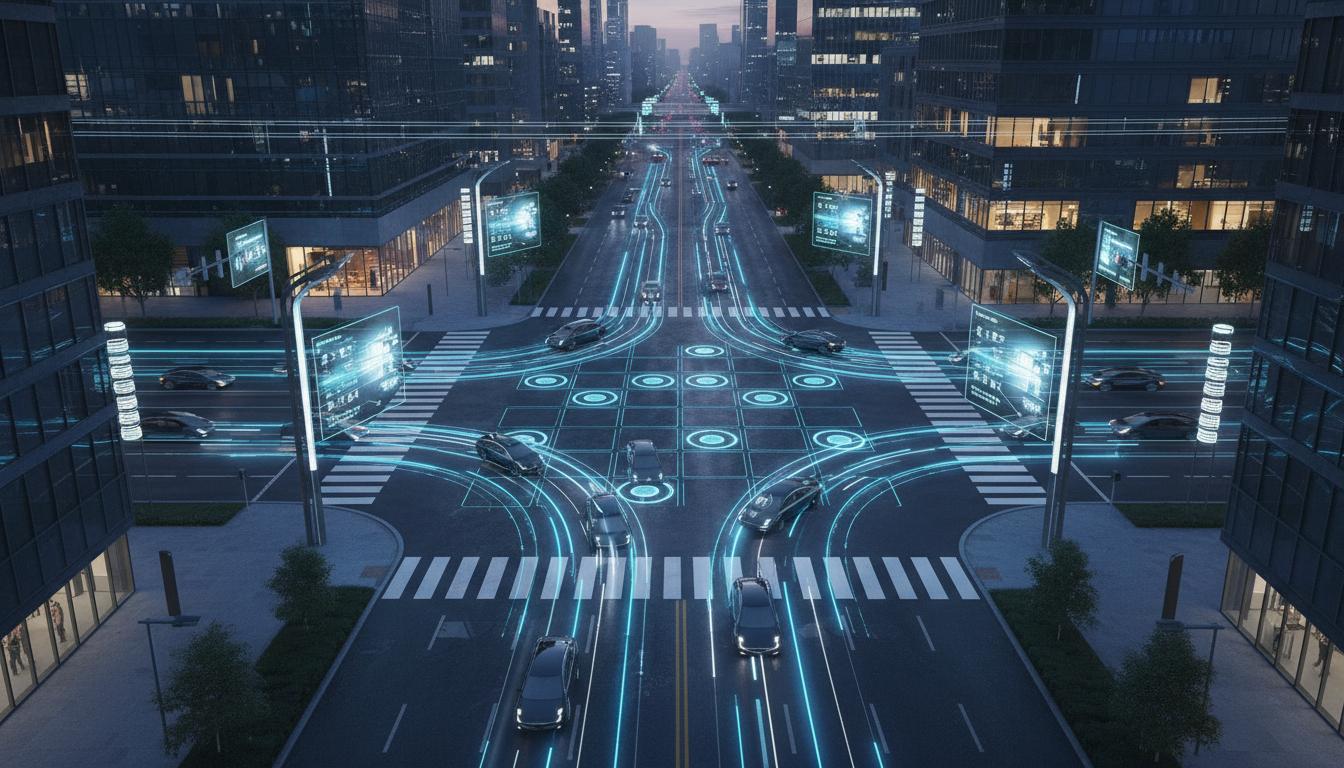
Incorporating smart technologies into urban redevelopment is transforming Texas cities into smarter, more efficient spaces. From intelligent traffic management systems to energy-efficient buildings, technology is playing a crucial role in enhancing urban living standards.
By leveraging data and automation, cities can optimize resource usage, improve public services, and enhance safety. For example, smart lighting systems reduce energy consumption while providing better illumination, and real-time data analytics help in efficient waste management.
Community Involvement: Empowering Local Voices
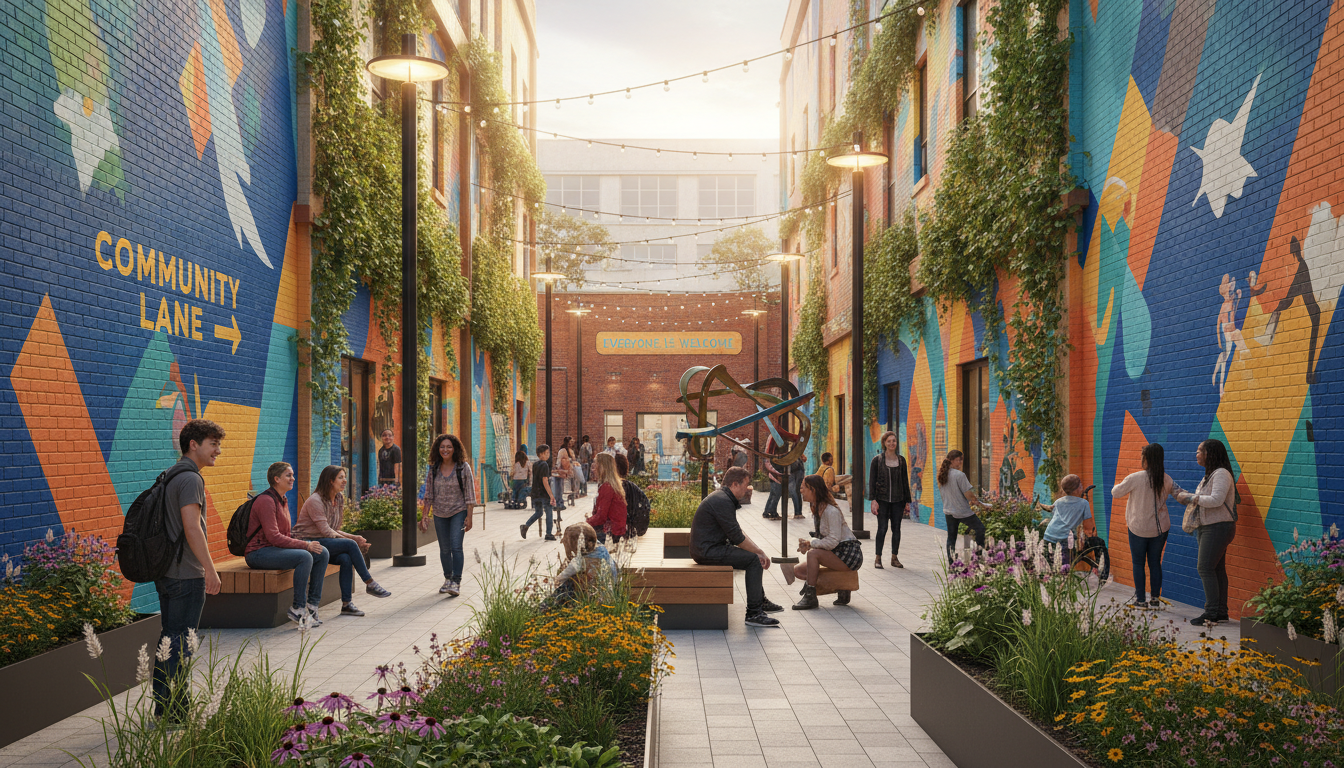
Successful redevelopment projects in Texas prioritize community involvement. By engaging local residents in planning and decision-making processes, these projects ensure that developments meet the actual needs and desires of the community.
Community workshops, surveys, and public meetings are commonly used to gather input and foster a sense of ownership among residents. This collaborative approach not only improves project outcomes but also strengthens community bonds.
Green Spaces and Sustainability: Prioritizing Environmental Health
In line with global sustainability trends, Texas's redevelopment projects are increasingly focusing on creating green spaces and promoting environmental health. Parks, green roofs, and urban gardens are integral components of new developments, offering residents a natural respite amid urban settings.
These green initiatives not only enhance the aesthetic appeal of neighborhoods but also improve air quality, support biodiversity, and provide recreational opportunities. They are essential for creating livable, sustainable communities that can thrive for generations.
In conclusion, Texas is at the forefront of innovative redevelopment, transforming its cities into vibrant, sustainable communities. By leveraging adaptive reuse, mixed-use developments, smart technologies, community involvement, and green initiatives, Texas is paving the way for a future where urban living is both sustainable and enriching.