Maximizing Long-Term Value in Workforce Housing Projects
Understanding Workforce Housing
Workforce housing is a critical component of sustainable community development. It refers to housing that is affordable for households earning between 60% and 120% of the area median income. This type of housing is essential for teachers, healthcare workers, and other key service providers. Recognizing the importance of workforce housing is the first step in maximizing its long-term value.

Identifying Key Opportunities
To maximize the value of workforce housing projects, developers and investors must identify key opportunities in location, amenities, and partnerships. Selecting locations near public transportation, schools, and healthcare facilities can increase both the desirability and accessibility of these projects. Furthermore, offering amenities such as community centers and green spaces enhances the living experience, thereby adding value.
Partnerships with local governments and non-profit organizations can provide additional resources and support. These collaborations can lead to innovative funding solutions and policy incentives that make projects more financially viable.
Implementing Sustainable Practices
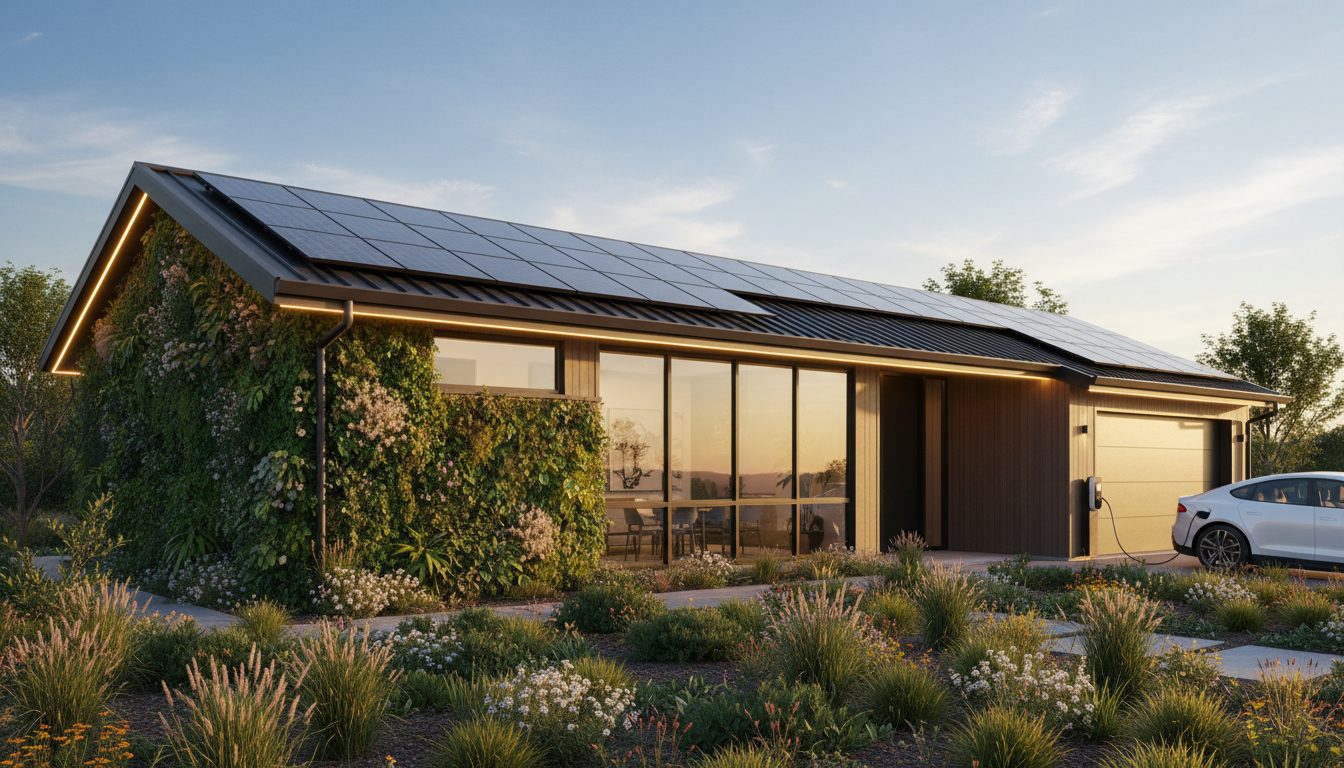
Sustainability is a crucial factor in enhancing the long-term value of workforce housing. Incorporating energy-efficient designs, renewable energy sources, and sustainable materials can significantly reduce operational costs and environmental impact. These practices not only benefit the planet but also attract environmentally conscious residents and investors.
Leveraging Technology
Technology plays a pivotal role in modernizing workforce housing projects. Smart home technologies, such as energy-efficient appliances and automated systems, can improve the quality of life for residents. Additionally, integrating technology in management processes can streamline operations and reduce costs.
Developers should also consider implementing digital platforms for community engagement. These platforms can facilitate communication between residents and management, enhancing satisfaction and retention.
Ensuring Financial Viability
Financial viability is essential for the success of workforce housing projects. By exploring diverse funding sources, such as government grants, tax credits, and private investments, developers can secure the necessary capital. Creating a balanced financial plan that considers both short-term costs and long-term benefits is crucial.

Fostering Community Engagement
Community engagement is a vital aspect of maximizing value in workforce housing. Engaging with residents through regular meetings, surveys, and events can foster a sense of belonging and community pride. This engagement can lead to improved resident satisfaction and lower turnover rates.
By prioritizing the needs and feedback of residents, developers can create a more harmonious living environment, contributing to the overall success and sustainability of the project.
Conclusion
Maximizing long-term value in workforce housing projects requires a multifaceted approach that includes strategic planning, sustainability, technology integration, financial acumen, and community engagement. By focusing on these key areas, developers can create housing solutions that benefit residents, communities, and investors alike.