Navigating Arlington's Infrastructure: Solutions for Real Estate Development
Understanding Arlington's Infrastructure Landscape
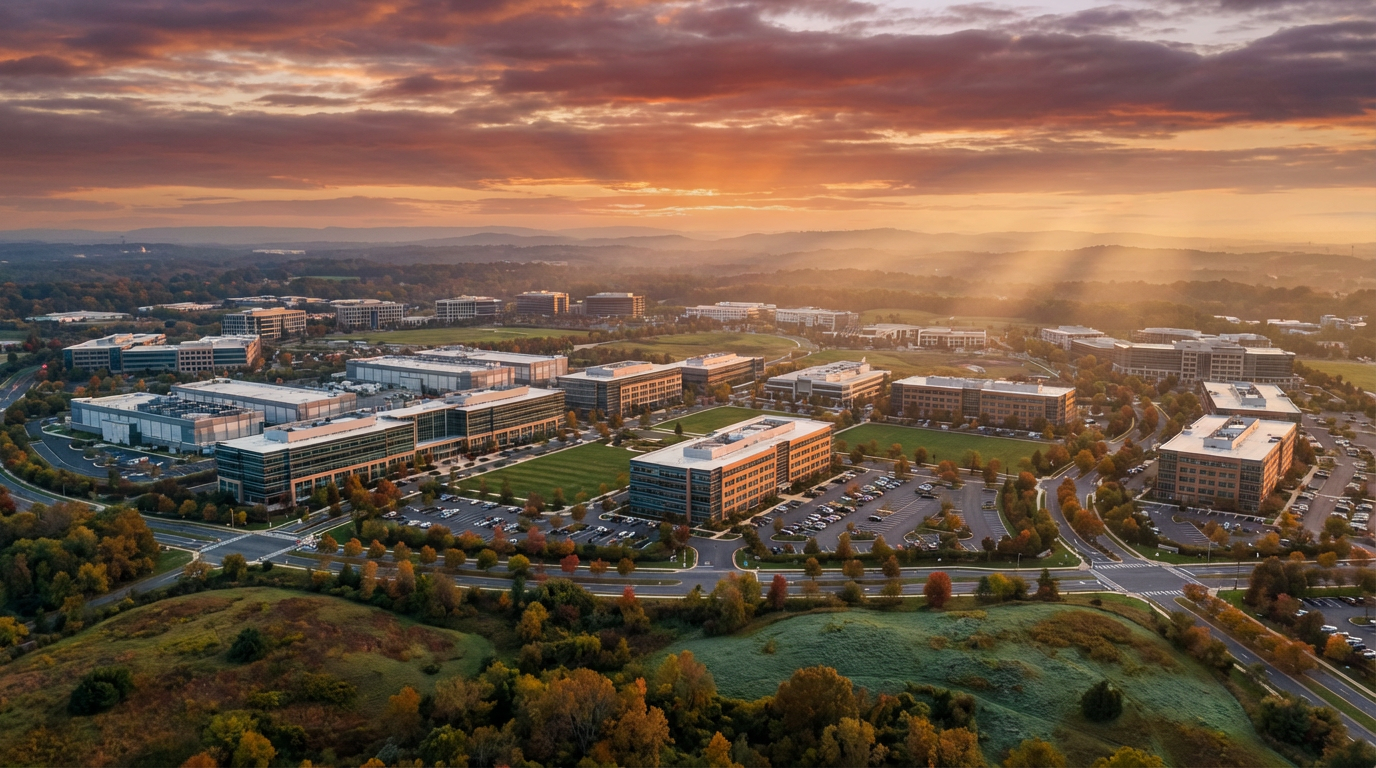
Arlington's infrastructure is a crucial component in the flourishing real estate market. As a hub of opportunity, Arlington offers a dynamic environment for development. However, navigating its complex infrastructure demands a strategic approach. Developers need to understand the city's transportation networks, utility systems, and zoning regulations to ensure successful projects.
Transportation Networks
Arlington boasts an extensive transportation network, including highways, metro lines, and bus routes. These systems are vital for connecting residents and businesses. For real estate developers, proximity to these transportation hubs can significantly enhance property value. Understanding transit-oriented development can help in selecting optimal locations for new projects.
Developers should consider access to major highways like I-66 and the George Washington Memorial Parkway, which facilitate easy commutes. Additionally, the presence of bike lanes and pedestrian-friendly pathways can attract eco-conscious residents, adding another layer of appeal to new developments.

Utility Systems and Sustainability
Efficient utility systems are the backbone of any real estate project. Arlington's commitment to sustainability is evident in its modern water, electricity, and waste management systems. Developers should explore integrating green technologies to align with the city's environmental goals.
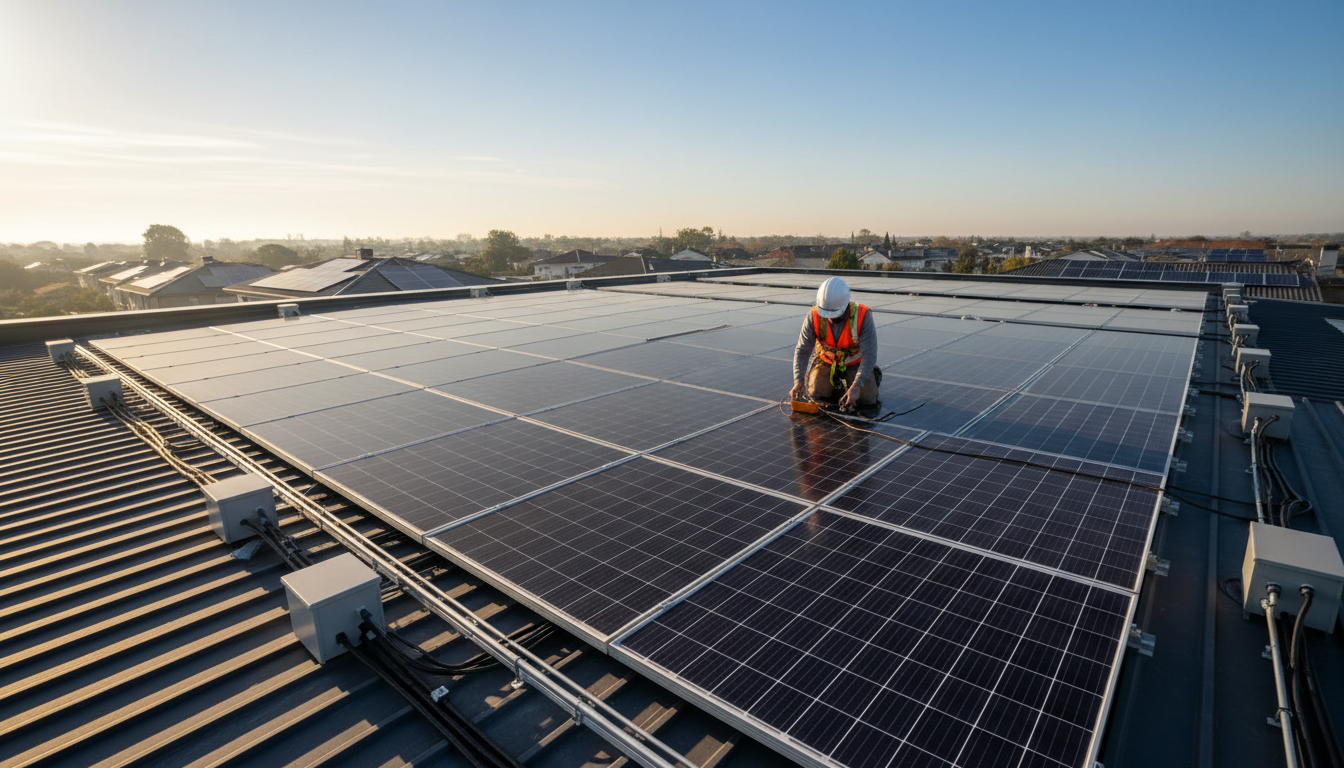
Incorporating solar panels, energy-efficient appliances, and smart home technologies can not only reduce environmental impact but also attract a growing segment of environmentally conscious buyers. Understanding the city's incentives for sustainable building can provide financial benefits as well.
Zoning and Regulatory Considerations
Understanding zoning laws is crucial for developers in Arlington. The city has specific regulations to maintain its unique character and support growth. Engaging with local authorities early in the planning process can help navigate these regulations smoothly.
Developers should also consider community input and collaborate with local stakeholders to align their projects with neighborhood expectations. This approach not only ensures compliance but also fosters community support, which can be invaluable in the long run.
Innovative Solutions for Real Estate Development
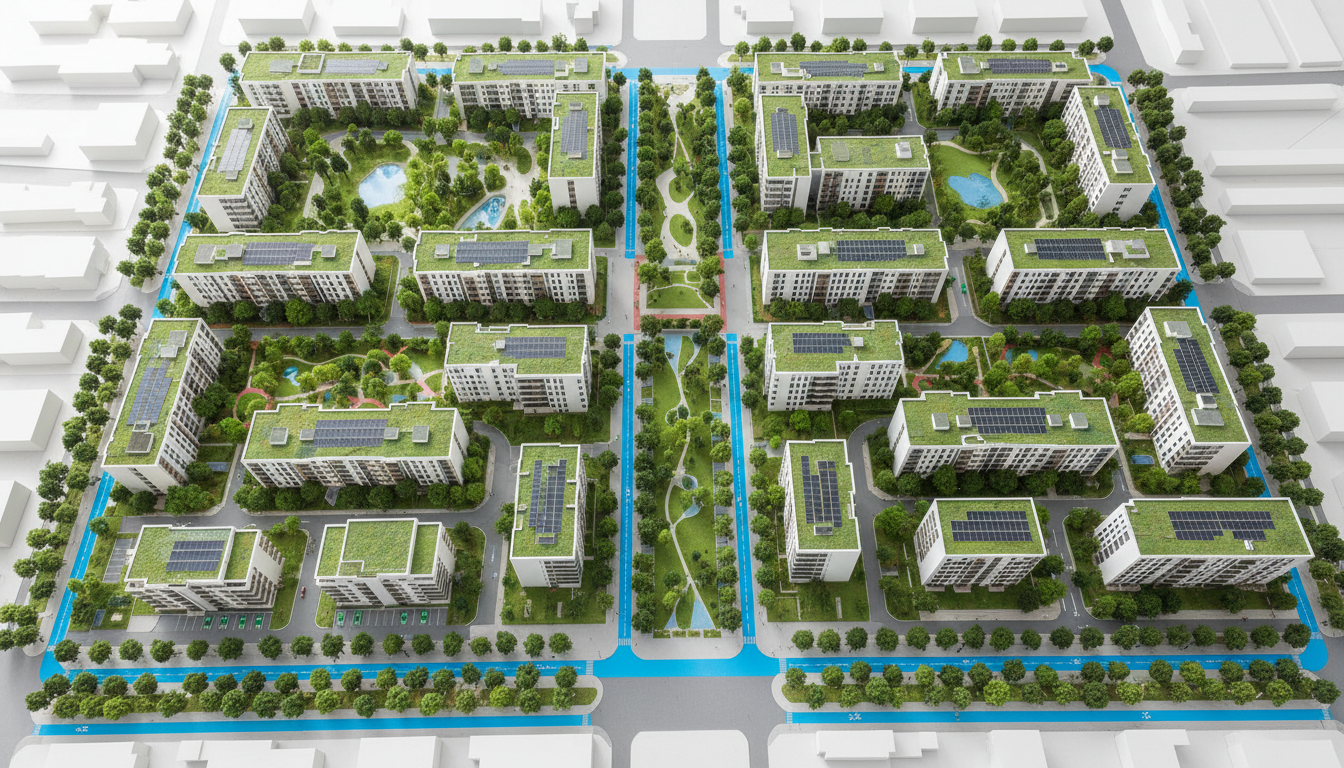
To thrive in Arlington's competitive market, developers need to embrace innovative solutions. Mixed-use developments, which combine residential, commercial, and recreational spaces, are gaining popularity. These projects create vibrant communities and optimize land use.
Leveraging technology, such as virtual reality for project visualization and data analytics for market trends, can provide developers with a competitive edge. Staying ahead of technological advancements is crucial for adapting to the evolving demands of the real estate market.

Conclusion: A Strategic Approach to Development
Navigating Arlington's infrastructure requires a strategic and informed approach. By understanding transportation networks, utility systems, zoning regulations, and embracing innovation, developers can create successful projects that enhance the city's landscape.
Arlington offers a unique blend of opportunity and challenge. For those ready to invest the effort and creativity, the rewards can be substantial. Collaborating with local authorities and stakeholders ensures developments contribute positively to the community while achieving business goals.