Navigating Texas Real Estate Trends: What Developers Need to Know
Understanding the Current Market Landscape
The Texas real estate market is a dynamic and evolving landscape that offers numerous opportunities for developers. In recent years, the state has experienced significant growth, driven by a robust economy and an influx of new residents. Understanding the current market trends is crucial for developers looking to capitalize on these opportunities. Key cities like Austin, Dallas, and Houston are experiencing rapid expansion, making them prime locations for investment.
One of the most notable trends is the increase in demand for residential properties, particularly in suburban areas. As remote work becomes more prevalent, many are seeking larger homes with more space for home offices and outdoor areas. Developers should consider these preferences when planning new projects.

Embracing Sustainable Development
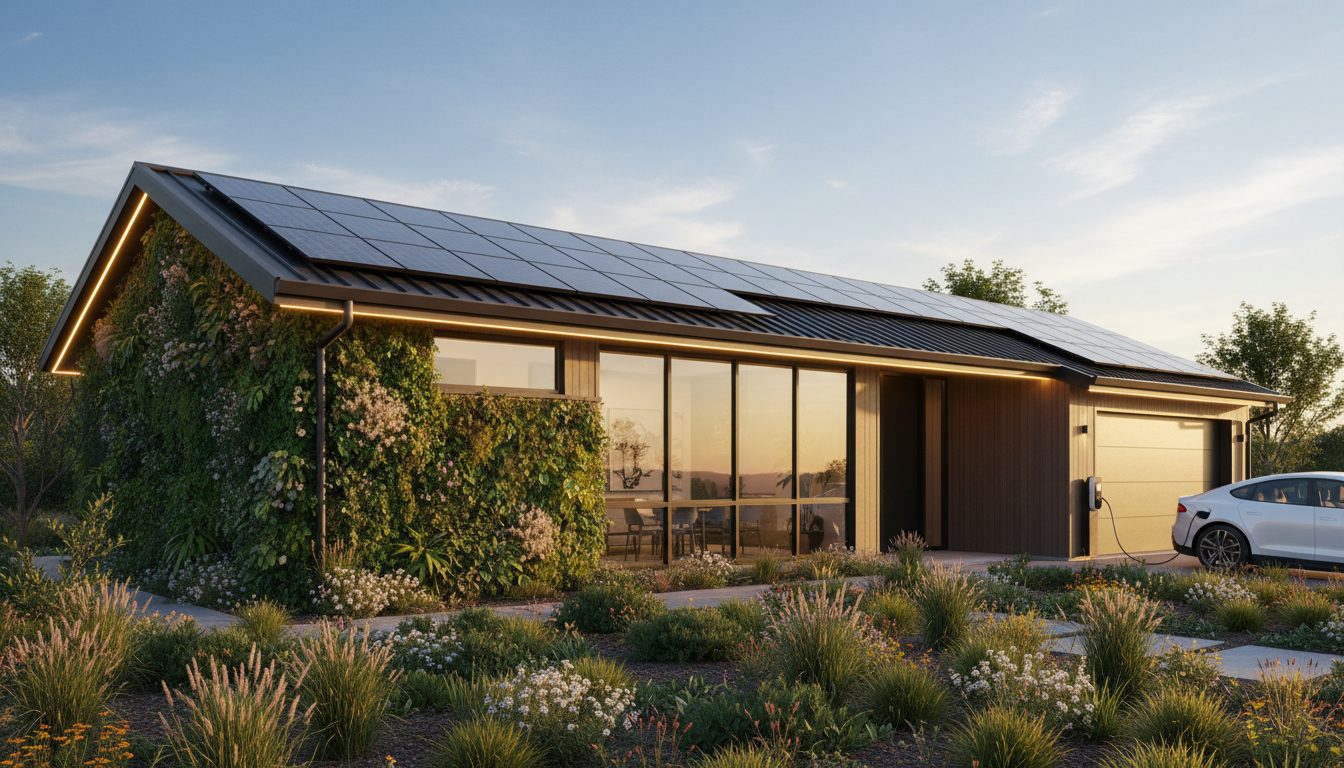
Sustainability is increasingly becoming a priority in real estate development. Texas developers are recognizing the importance of incorporating eco-friendly practices into their projects. This includes using sustainable materials, implementing energy-efficient designs, and ensuring proper waste management. By adopting these practices, developers not only contribute to environmental conservation but also attract environmentally conscious buyers and investors.
Moreover, state and local governments are offering incentives for sustainable development projects. Developers who prioritize green building can benefit from tax credits and other financial incentives, making it a win-win situation.
Adapting to Technological Advancements
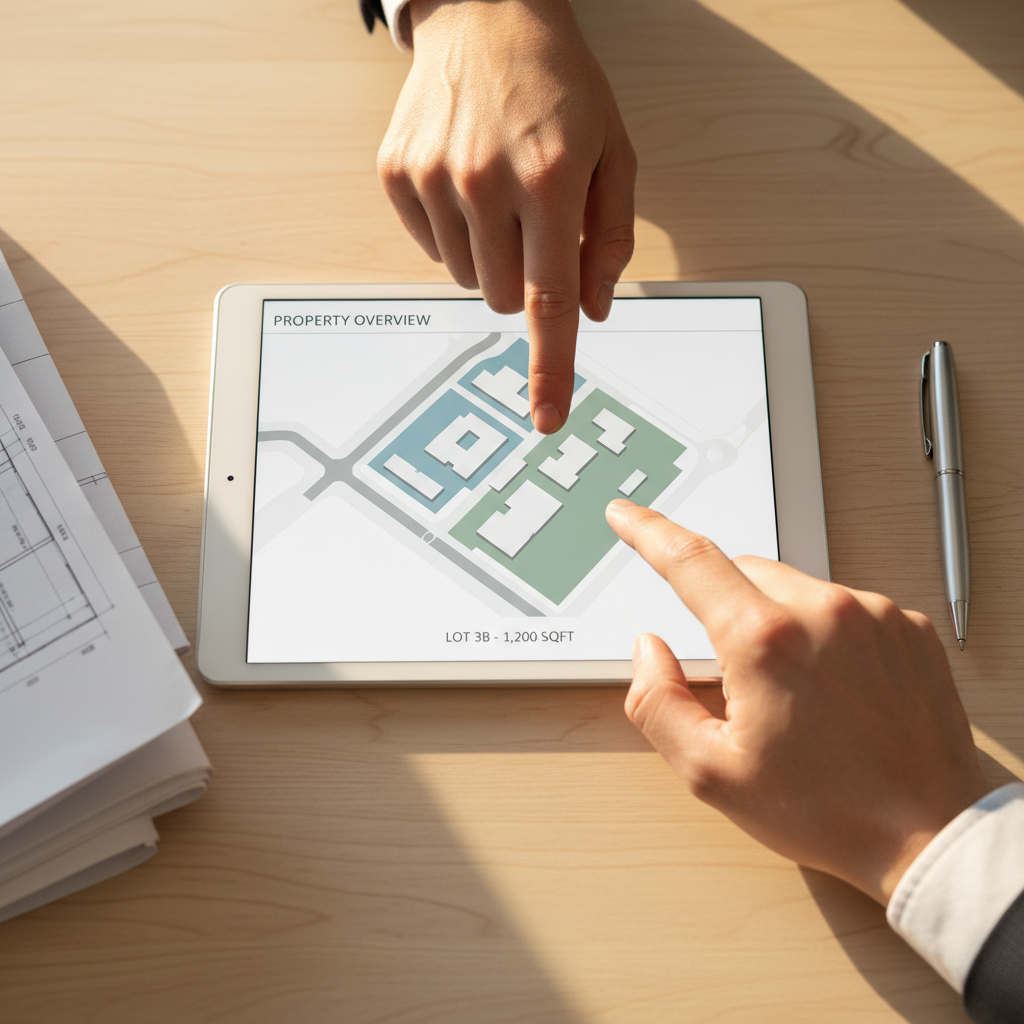
Technology is transforming the real estate industry, and developers must stay ahead of the curve to remain competitive. From virtual reality tours to smart home features, technology is enhancing the buying and selling process. Developers should invest in the latest technology to create innovative solutions that meet the needs of modern buyers.
Additionally, data analytics can provide valuable insights into market trends and consumer preferences. By leveraging data, developers can make informed decisions about where to invest and how to design their properties to align with current demands.
Addressing Urbanization Challenges
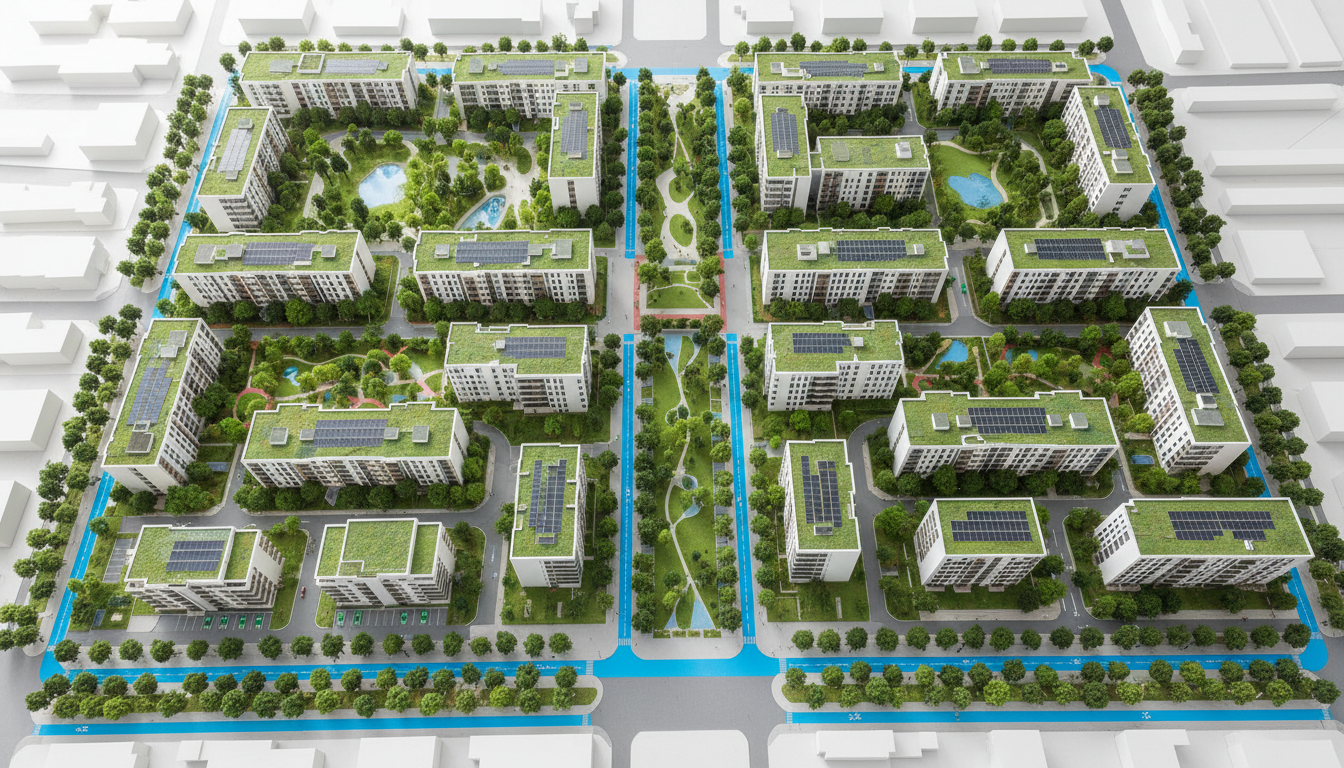
As Texas cities continue to grow, urbanization presents both opportunities and challenges for developers. The increasing population density requires innovative solutions to ensure sustainable growth. Developers need to focus on creating mixed-use developments that combine residential, commercial, and recreational spaces to enhance the quality of life for residents.
Moreover, addressing infrastructure needs is critical. Collaborating with local governments to improve transportation networks and public services can help mitigate urbanization challenges and create more livable communities.
Understanding Regulatory Changes
Regulatory changes can significantly impact real estate development projects. In Texas, developers must stay informed about zoning laws, building codes, and other regulations that may affect their plans. Keeping abreast of these changes ensures compliance and helps avoid costly setbacks.
Engaging with local authorities and participating in community planning sessions can provide developers with insights into upcoming regulatory shifts and help them align their projects accordingly.
Conclusion: Strategic Planning for Success
In conclusion, navigating Texas real estate trends requires a strategic approach that considers market demands, sustainability, technology, urbanization, and regulatory changes. By staying informed and adaptable, developers can position themselves for success in this thriving market. Embracing these trends will not only enhance the appeal of their projects but also contribute positively to the communities they serve.