Sustainable Building Practices in Texas: A Guide for Developers
Understanding Sustainable Building Practices
As the demand for environmentally friendly construction grows, developers in Texas are increasingly turning to sustainable building practices. These methods not only help preserve the environment but also offer long-term cost savings. Adopting sustainable practices can significantly reduce energy consumption, minimize waste, and promote healthier living conditions.
Implementing sustainable practices involves considering the entire building lifecycle—from design and construction to operation and decommissioning. Developers are encouraged to integrate eco-friendly materials, energy-efficient systems, and water conservation techniques. By doing so, they contribute to a more sustainable future while meeting the evolving expectations of consumers and regulatory bodies.
Incorporating Energy Efficiency
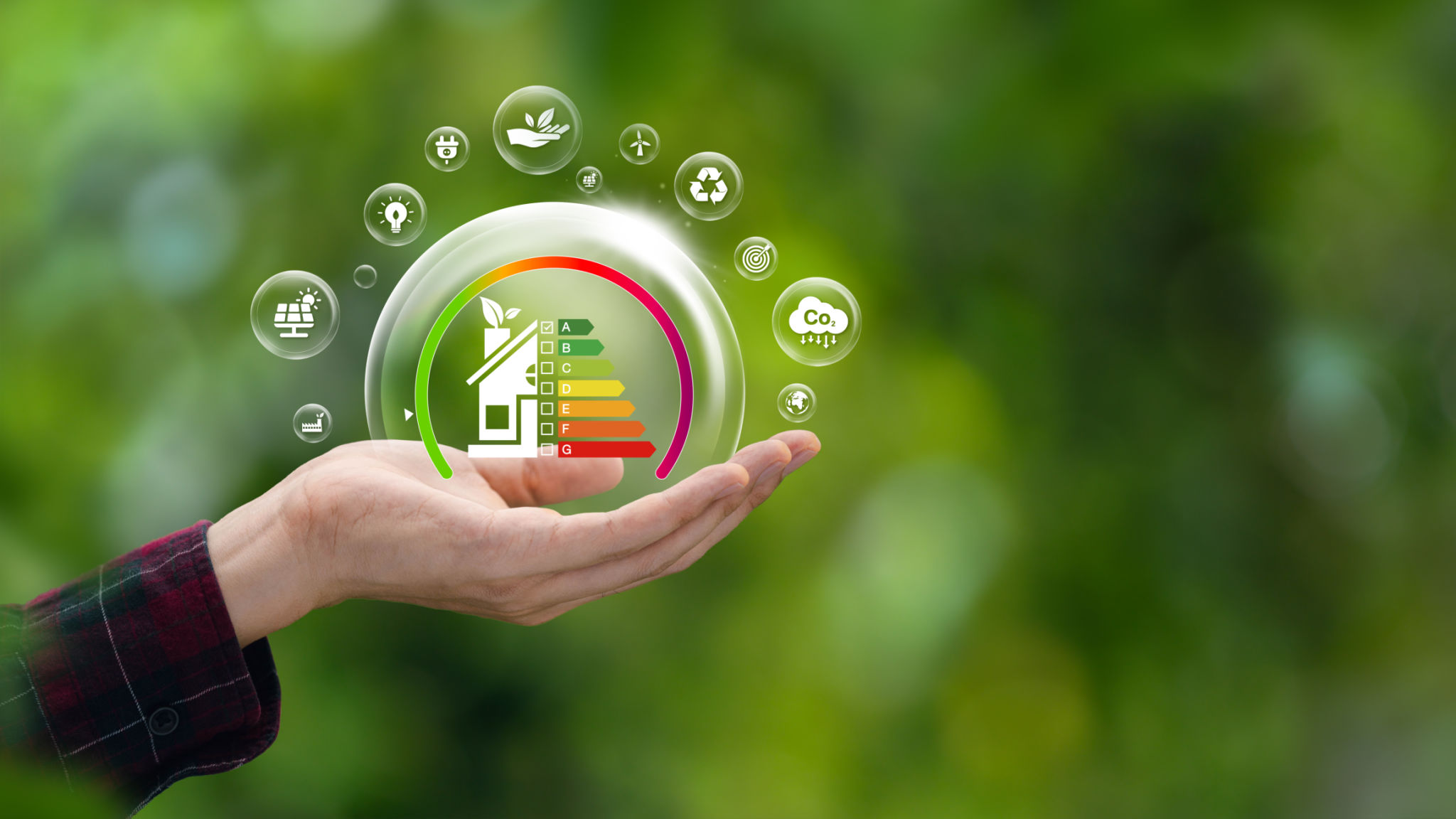
Energy efficiency is a cornerstone of sustainable building. Developers should focus on integrating technologies that reduce energy consumption without compromising functionality. This can include installing high-efficiency HVAC systems, using LED lighting, and incorporating smart home technologies that allow for real-time energy monitoring and management.
Additionally, passive design strategies such as optimal building orientation, natural ventilation, and effective insulation can further enhance energy efficiency. These measures not only lower utility bills but also improve indoor comfort and reduce the building's carbon footprint.
Choosing Sustainable Materials
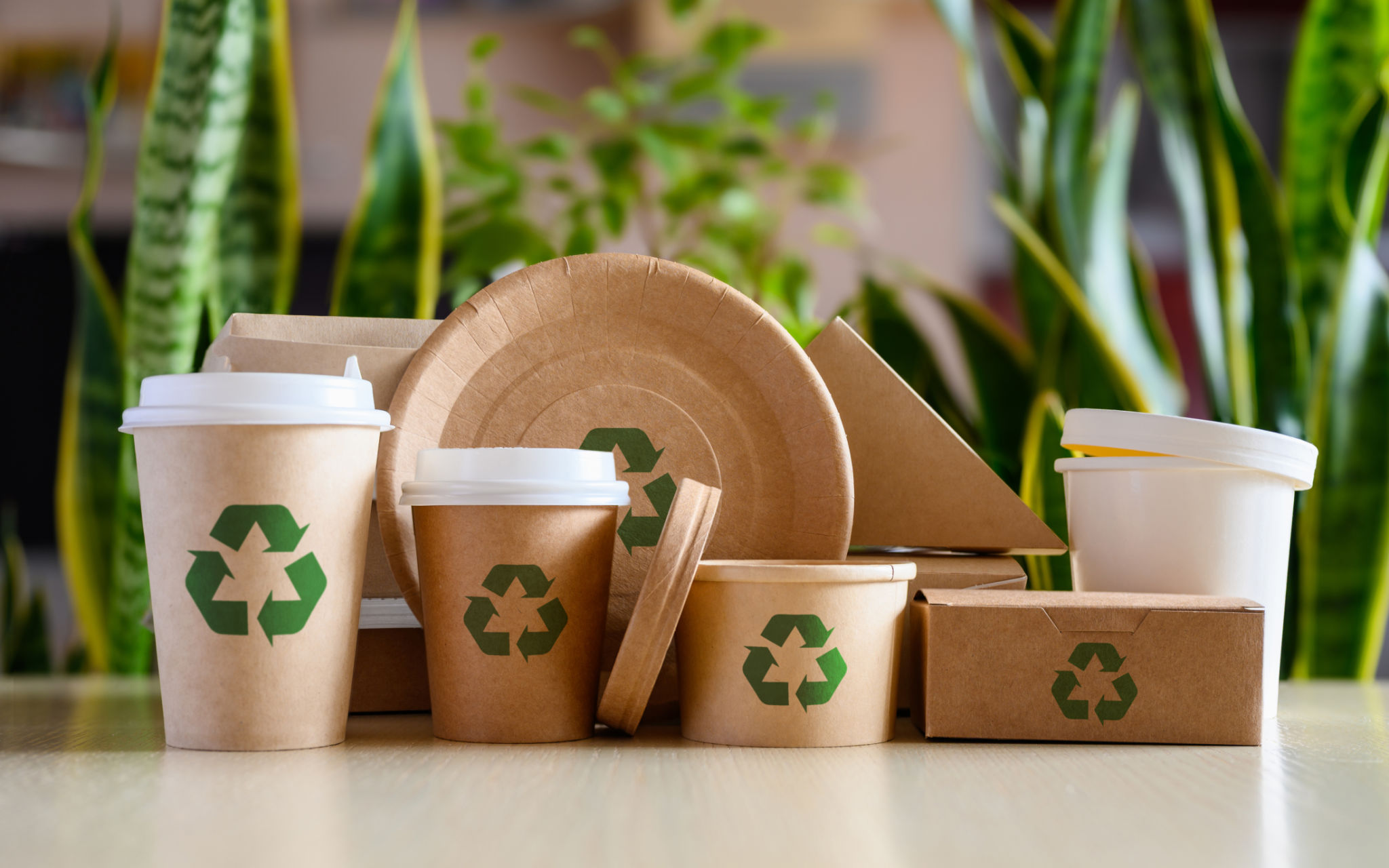
Selecting sustainable materials is crucial in minimizing the environmental impact of construction. Developers should opt for materials that are renewable, recyclable, and locally sourced. This reduces transportation emissions and supports local economies. Popular sustainable materials include bamboo, reclaimed wood, recycled metal, and low-VOC paints.
Furthermore, developers are encouraged to work with suppliers who adhere to sustainable practices. This ensures that the materials used in construction are produced responsibly, further enhancing the overall sustainability of the project.
Water Conservation Techniques
Water conservation is an essential aspect of sustainable building practices, especially in a state like Texas, where water scarcity can be a concern. Developers can implement rainwater harvesting systems, low-flow plumbing fixtures, and drought-resistant landscaping to significantly reduce water usage.
These techniques not only conserve water but also reduce the operational costs of a building. By prioritizing water-efficient practices, developers contribute to the preservation of this critical resource while enhancing the building's sustainability credentials.
Benefits of Sustainable Building Practices
Adopting sustainable building practices offers numerous benefits beyond environmental impact. For developers, these practices can lead to increased property values, improved marketability, and potential tax incentives. Additionally, sustainable buildings often attract environmentally conscious buyers and tenants who value green living.
Moreover, sustainable buildings generally have lower maintenance costs and longer lifespans due to the durability and efficiency of the materials and systems used. By investing in sustainability, developers can enjoy both immediate and long-term financial benefits.
Challenges and Opportunities
While sustainable building practices provide numerous advantages, developers may face challenges such as higher upfront costs and a need for specialized knowledge. However, these challenges present opportunities for innovation and collaboration within the industry.
Developers can overcome these obstacles by partnering with experts in sustainable design and construction, leveraging government incentives, and staying informed about emerging technologies and best practices. By doing so, they can successfully navigate the complexities of sustainable building and contribute to a more sustainable future in Texas.