Sustainable Building Practices in Texas: A Guide for Developers
As the demand for sustainable construction continues to grow, developers in Texas are increasingly embracing eco-friendly building practices. These practices not only help in reducing environmental impact but also offer economic benefits in the long run. This guide explores key sustainable building practices that developers can implement in Texas.
Understanding Sustainable Building Practices
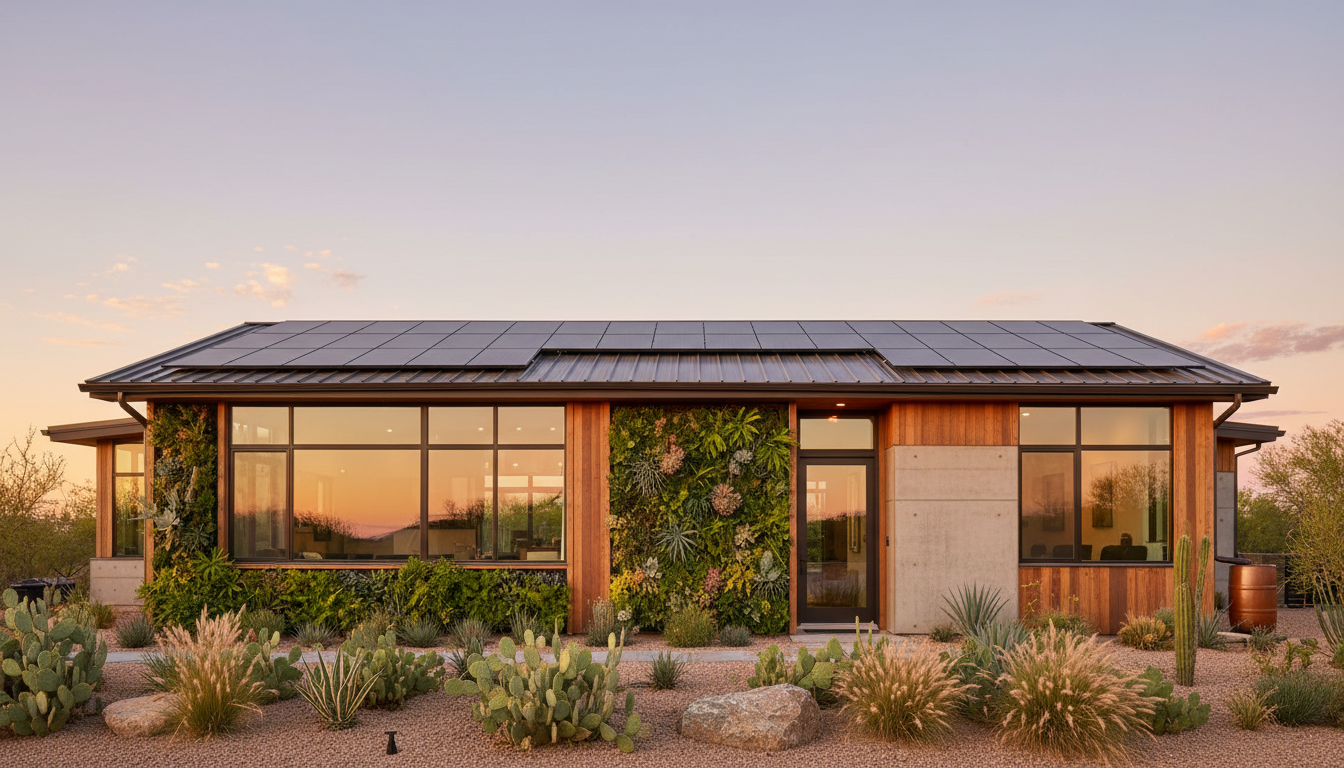
Sustainable building practices involve the use of resources efficiently to minimize the impact on the environment. In Texas, this can mean the use of locally sourced materials, energy-efficient designs, and water conservation techniques. These practices are crucial in a state known for its diverse climate and natural resources.
By adopting sustainable practices, developers can achieve significant reductions in carbon emissions and resource consumption. Moreover, these practices often lead to healthier living and working environments, which can increase property value and occupant satisfaction.
Energy Efficiency
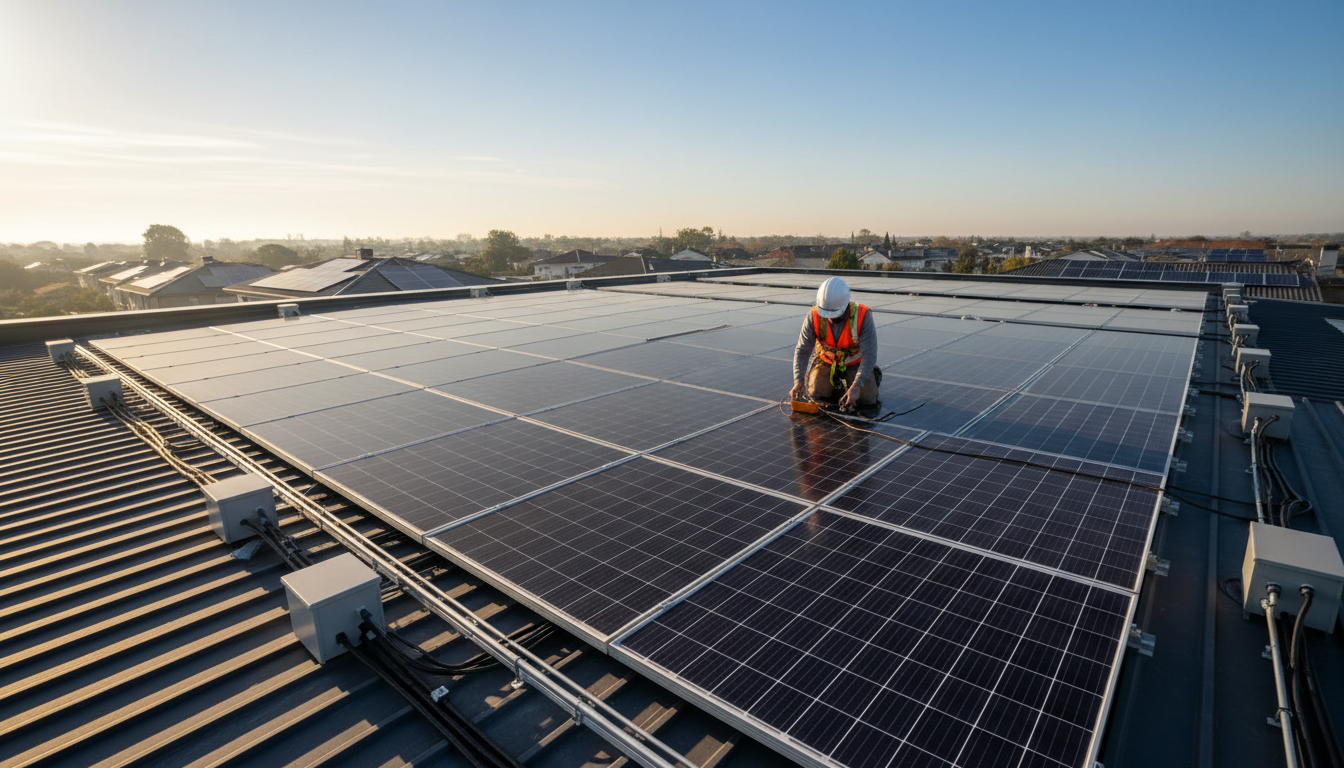
Energy efficiency is a cornerstone of sustainable construction. Developers can incorporate energy-efficient designs and technologies such as solar panels, energy-efficient HVAC systems, and LED lighting. In Texas, with its abundant sunshine, solar energy is a particularly viable option.
Furthermore, adopting smart building technologies can optimize energy use, reducing costs and environmental impact. These technologies allow for real-time monitoring and management of energy consumption, ensuring that buildings operate at peak efficiency.
Water Conservation
Water conservation is critical in Texas, where droughts are a recurring challenge. Developers can implement systems like rainwater harvesting, low-flow fixtures, and xeriscaping to conserve water. These systems not only preserve a vital resource but also contribute to lower utility bills.
Additionally, using native plants in landscaping reduces the need for irrigation, promoting a sustainable and low-maintenance environment. By prioritizing water conservation, developers can significantly lessen their projects' environmental impact.
Use of Sustainable Materials
Choosing sustainable materials is another important aspect of eco-friendly building. Developers should consider materials that are renewable, recycled, or have a low carbon footprint. Examples include bamboo, recycled steel, and reclaimed wood.
Locally sourced materials also play a vital role in sustainability by reducing transportation emissions and supporting local economies. In Texas, utilizing indigenous materials can enhance the authenticity and appeal of a development.
Certification and Compliance
Obtaining certifications like LEED (Leadership in Energy and Environmental Design) can further enhance a project's sustainability credentials. These certifications provide a framework for implementing practical and measurable green building design, construction, and operations.
Compliance with local and national sustainability standards is essential. Developers in Texas should stay informed about regulations and incentives that promote sustainable building practices, ensuring that their projects meet or exceed these requirements.
Conclusion
Embracing sustainable building practices is not just an environmental imperative but also a smart business decision. By prioritizing energy efficiency, water conservation, and the use of sustainable materials, developers in Texas can create buildings that are not only environmentally friendly but also economically viable.
As the industry continues to evolve, staying ahead of the curve with sustainable practices will be crucial for developers aiming to meet the demands of a greener future. By doing so, they can contribute to a more sustainable and resilient Texas.