Sustainable Infrastructure Trends: The Future of Real Estate Development
The Growing Importance of Sustainable Infrastructure
The real estate development industry is undergoing a significant transformation, driven by the pressing need for sustainability. As environmental concerns become more pronounced, developers are increasingly focusing on sustainable infrastructure to reduce their environmental footprint and create long-lasting value. This shift is not only beneficial for the planet but also for investors and residents who are looking for greener living solutions.
Incorporating sustainable practices into infrastructure development is becoming a norm rather than an exception. These practices include energy-efficient building designs, renewable energy integration, and sustainable urban planning. As a result, the future of real estate development is set to be more eco-friendly, efficient, and innovative.
Technological Innovations Driving Change
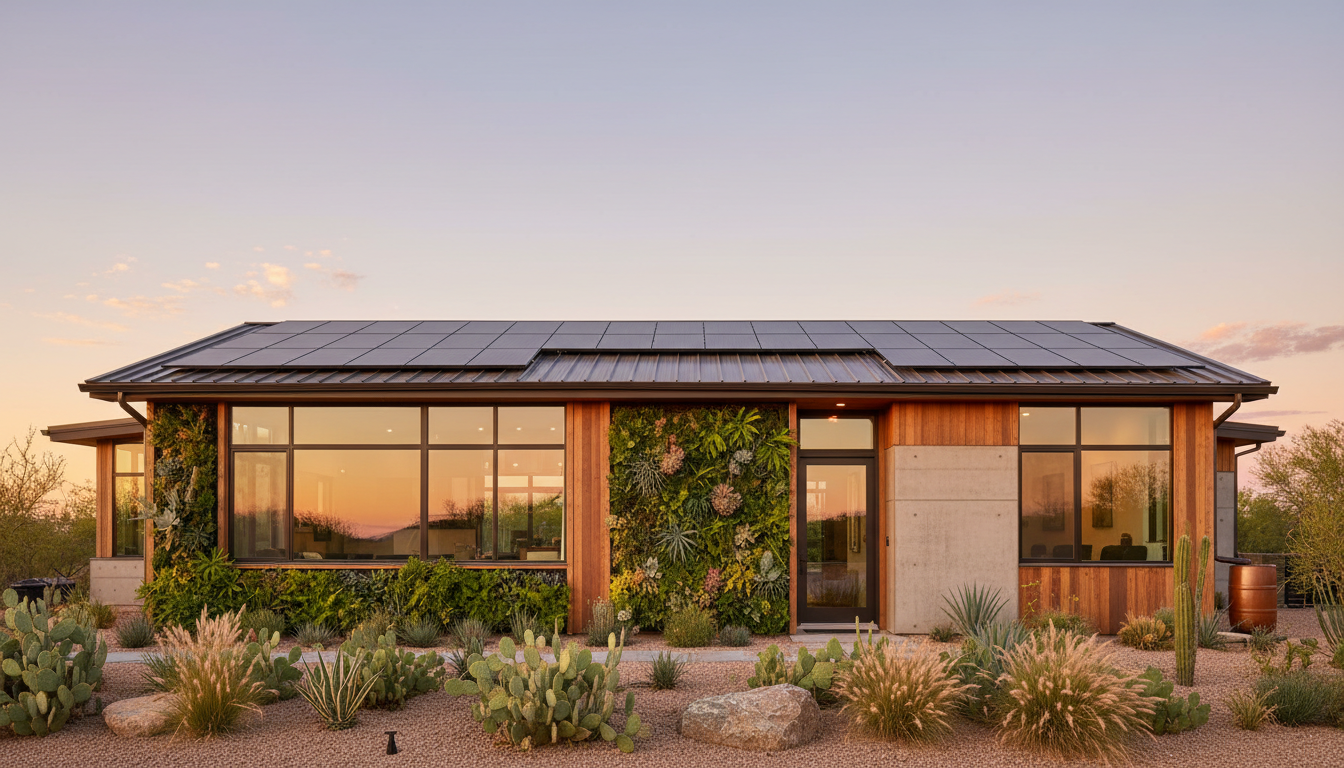
Technology plays a crucial role in advancing sustainable infrastructure. Innovations such as smart grids, building automation systems, and advanced materials are transforming how buildings are constructed and operated. These technologies help in reducing energy consumption, lowering emissions, and enhancing the overall quality of life for occupants.
Furthermore, the integration of Internet of Things (IoT) devices allows for real-time monitoring and optimization of energy usage. This leads to smarter buildings that adapt to the needs of their inhabitants while minimizing waste. As these technologies continue to evolve, they will further drive the adoption of sustainable practices in real estate development.

Renewable Energy Integration
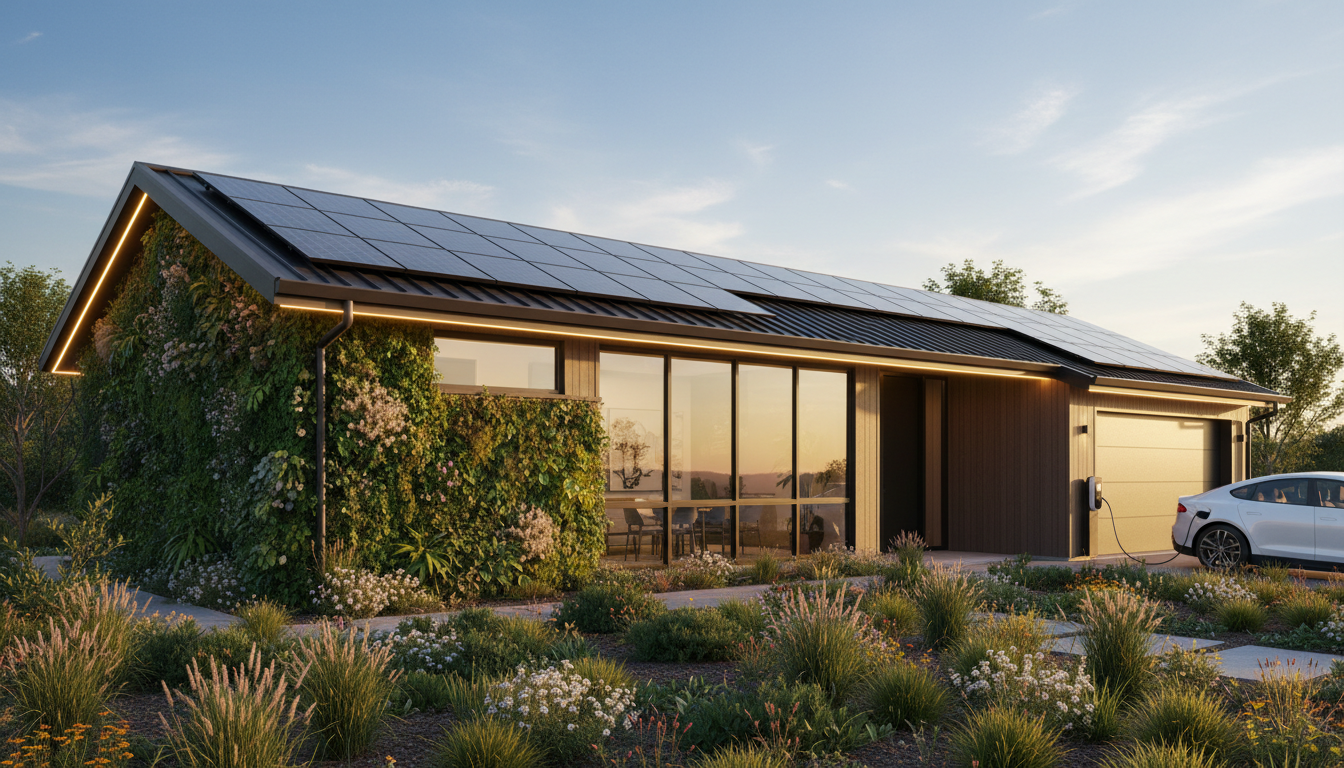
One of the most critical aspects of sustainable infrastructure is the integration of renewable energy sources. Solar panels, wind turbines, and geothermal systems are increasingly being incorporated into new developments. These renewable energy solutions not only reduce reliance on fossil fuels but also significantly lower utility costs for residents.
The shift towards renewable energy is supported by government incentives and the decreasing cost of technology. By harnessing clean energy, developers can create self-sustaining communities that are resilient to fluctuating energy markets and contribute positively to the environment.
The Role of Green Building Certifications
Green building certifications such as LEED and BREEAM are becoming essential benchmarks in sustainable real estate development. These certifications provide a framework for evaluating a building's environmental performance and encourage developers to adhere to high sustainability standards.
Achieving these certifications not only enhances a property's marketability but also ensures that it meets stringent environmental criteria. This leads to healthier living environments, reduced operational costs, and increased property value.
Urban Planning and Sustainable Communities
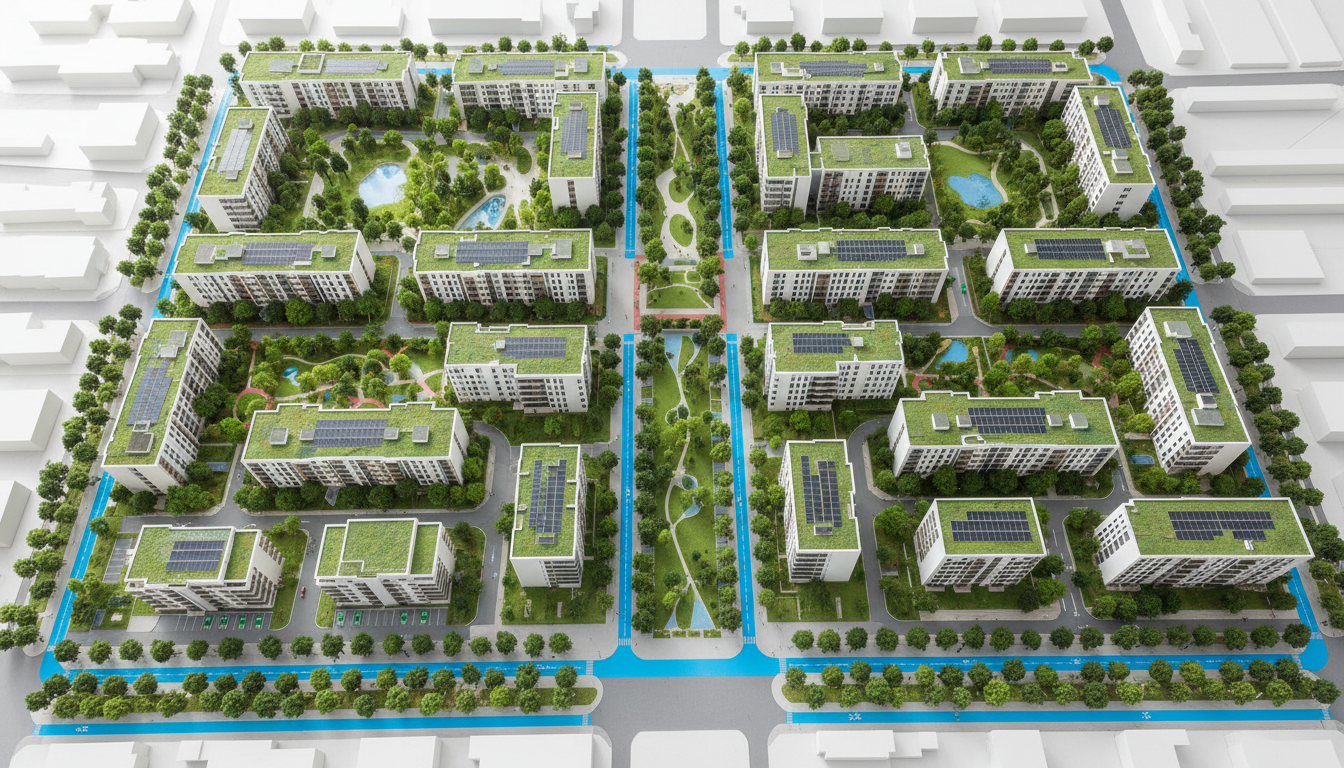
Sustainable infrastructure extends beyond individual buildings to encompass entire communities. Urban planning now emphasizes creating walkable neighborhoods, efficient public transportation systems, and ample green spaces. These elements foster a sense of community, reduce carbon footprints, and improve the quality of urban life.
By focusing on sustainable urban planning, cities can address the challenges of urbanization while ensuring that growth is aligned with ecological principles. This approach leads to the development of vibrant, healthy, and sustainable communities.
The Economic Benefits of Sustainability
While the initial investment in sustainable infrastructure may be higher, the long-term economic benefits are significant. Energy-efficient buildings have lower operating costs, and sustainable practices can lead to tax incentives and increased property values. Furthermore, as consumer awareness of environmental issues grows, properties with sustainable features are becoming more attractive to buyers and tenants.
Investing in sustainable infrastructure is not just an environmental decision but also a sound financial strategy. Developers who prioritize sustainability are well-positioned to capitalize on the growing demand for eco-friendly real estate solutions.