Sustainable Infrastructure Trends: What Developers Need to Know
Introduction to Sustainable Infrastructure
Sustainable infrastructure is becoming a cornerstone of modern development strategies. As the demand for environmentally-friendly solutions grows, developers are increasingly focused on integrating sustainability into their projects. This shift not only benefits the environment but also enhances the long-term value and resilience of infrastructure investments.
Green Building Materials
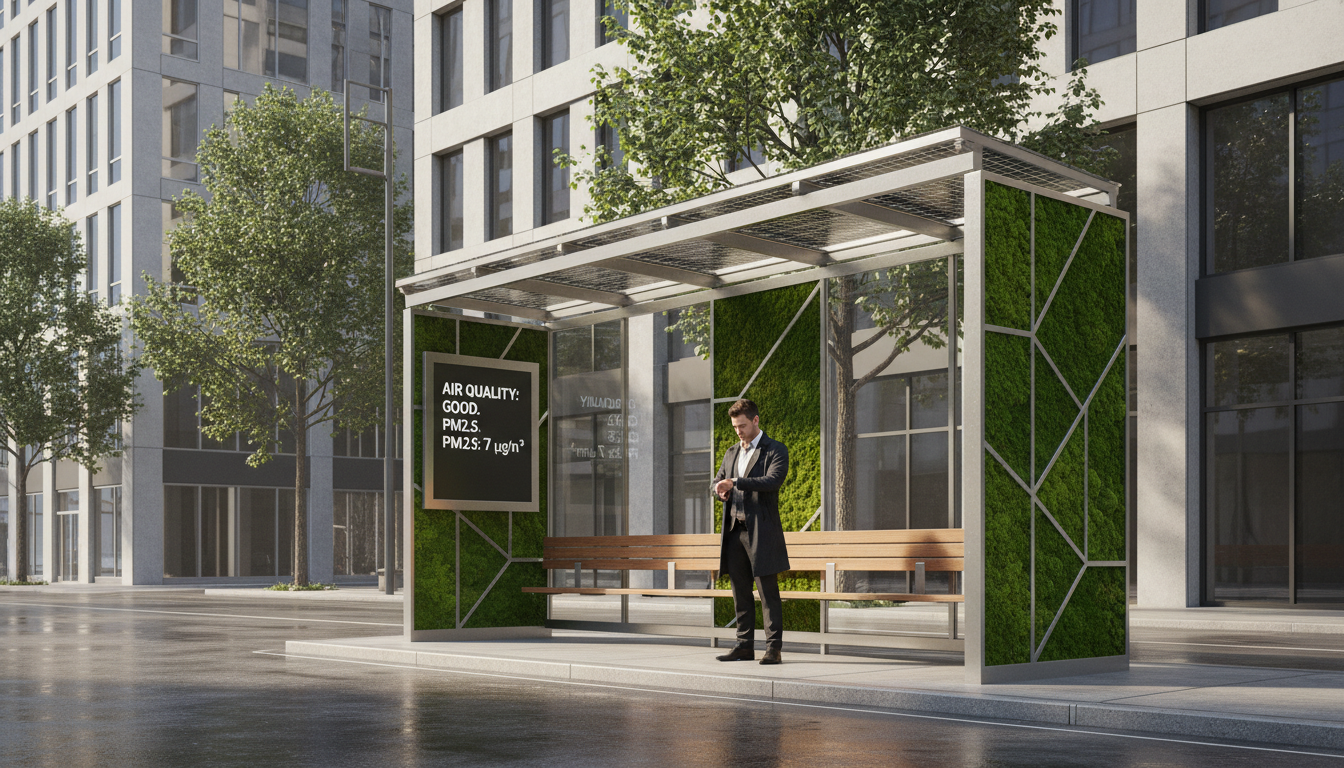
One of the key trends in sustainable infrastructure is the use of green building materials. These materials, such as recycled steel, bamboo, and reclaimed wood, help reduce the environmental impact of construction. Developers are also exploring innovative materials like carbon-absorbing concrete, which actively reduces carbon emissions during its lifecycle.
By selecting sustainable materials, developers can achieve certifications like LEED (Leadership in Energy and Environmental Design), which can enhance a building’s marketability and reduce operational costs.
Benefits of Green Materials
Green building materials offer several advantages, including:
- Lower environmental footprint
- Improved energy efficiency
- Enhanced indoor air quality
Renewable Energy Integration
Integrating renewable energy sources is another vital aspect of sustainable infrastructure. Solar panels, wind turbines, and geothermal systems are becoming standard features in new developments. These technologies not only reduce reliance on fossil fuels but also provide cost savings in the long term.

For developers, incorporating renewable energy can be a significant selling point, as it aligns with the growing consumer demand for eco-friendly living and working spaces.
Smart City Technologies
The concept of smart cities is closely linked to sustainable infrastructure. By utilizing technologies like IoT (Internet of Things), developers can create more efficient, connected, and sustainable urban environments. Smart grids, traffic management systems, and waste reduction technologies are examples of how cities are becoming more sustainable.
Advantages of Smart Technologies
Implementing smart technologies can result in:
- Improved resource management
- Reduced operational costs
- Enhanced quality of life for residents

Water Conservation Practices
Water conservation is a critical component of sustainable infrastructure. Developers are incorporating features like rainwater harvesting, greywater recycling, and efficient irrigation systems to minimize water usage. These practices not only help preserve a vital resource but also reduce costs associated with water consumption.
Adopting water-efficient technologies is essential in regions facing water scarcity and can significantly enhance the sustainability of a development project.
Conclusion
As sustainable infrastructure trends continue to evolve, developers must stay informed and adapt to new technologies and practices. By prioritizing sustainability, developers can create projects that are not only environmentally responsible but also economically viable and attractive to modern consumers.