Sustainable Infrastructure Trends Transforming Texas Real Estate
Introduction to Sustainable Infrastructure
As the world shifts towards more environmentally conscious practices, the real estate industry in Texas is embracing sustainable infrastructure trends. This transition not only addresses environmental concerns but also meets the growing demand for eco-friendly living and working spaces.
Green Building Certifications
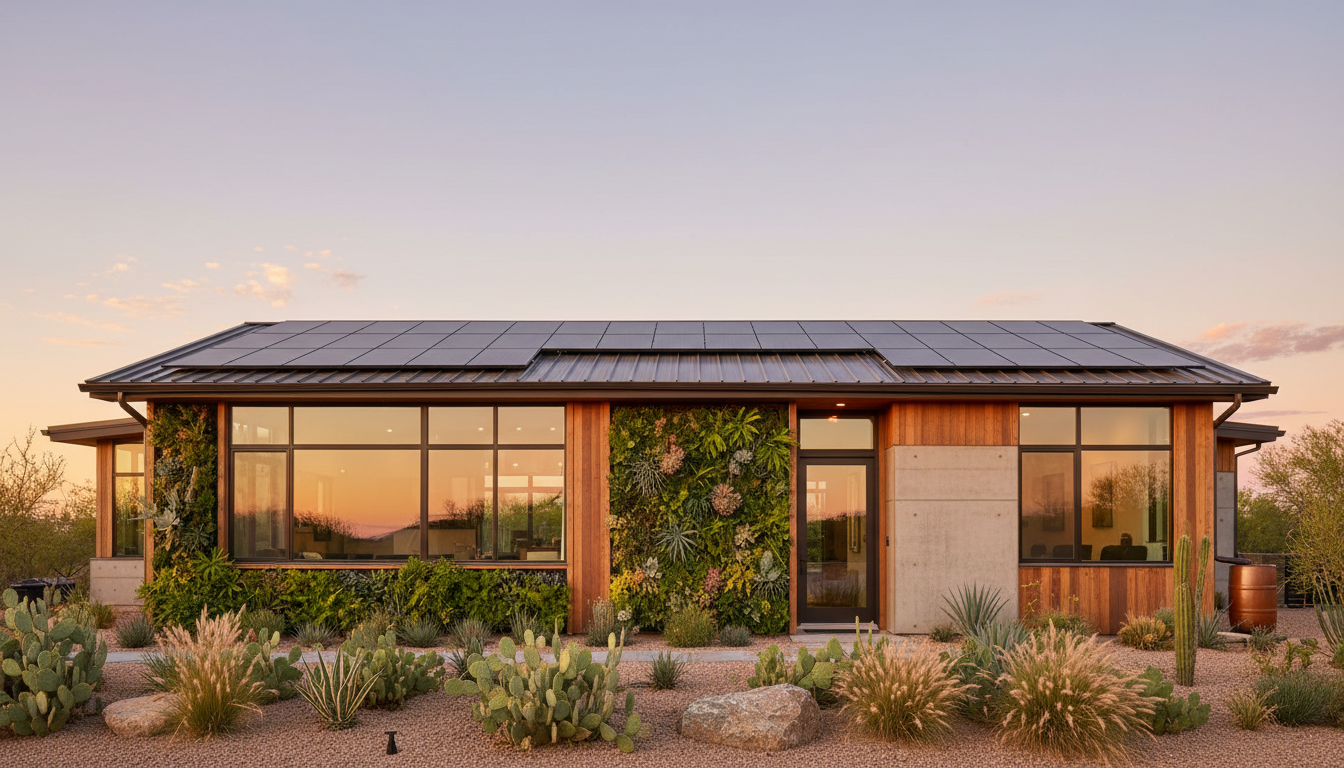
One of the most significant trends in Texas real estate is the adoption of green building certifications. Programs like LEED and Green Globes are becoming more prevalent, offering developers pathways to construct environmentally friendly buildings. These certifications focus on energy efficiency, water conservation, and the use of sustainable materials, making them highly appealing to environmentally conscious buyers.
Renewable Energy Integration
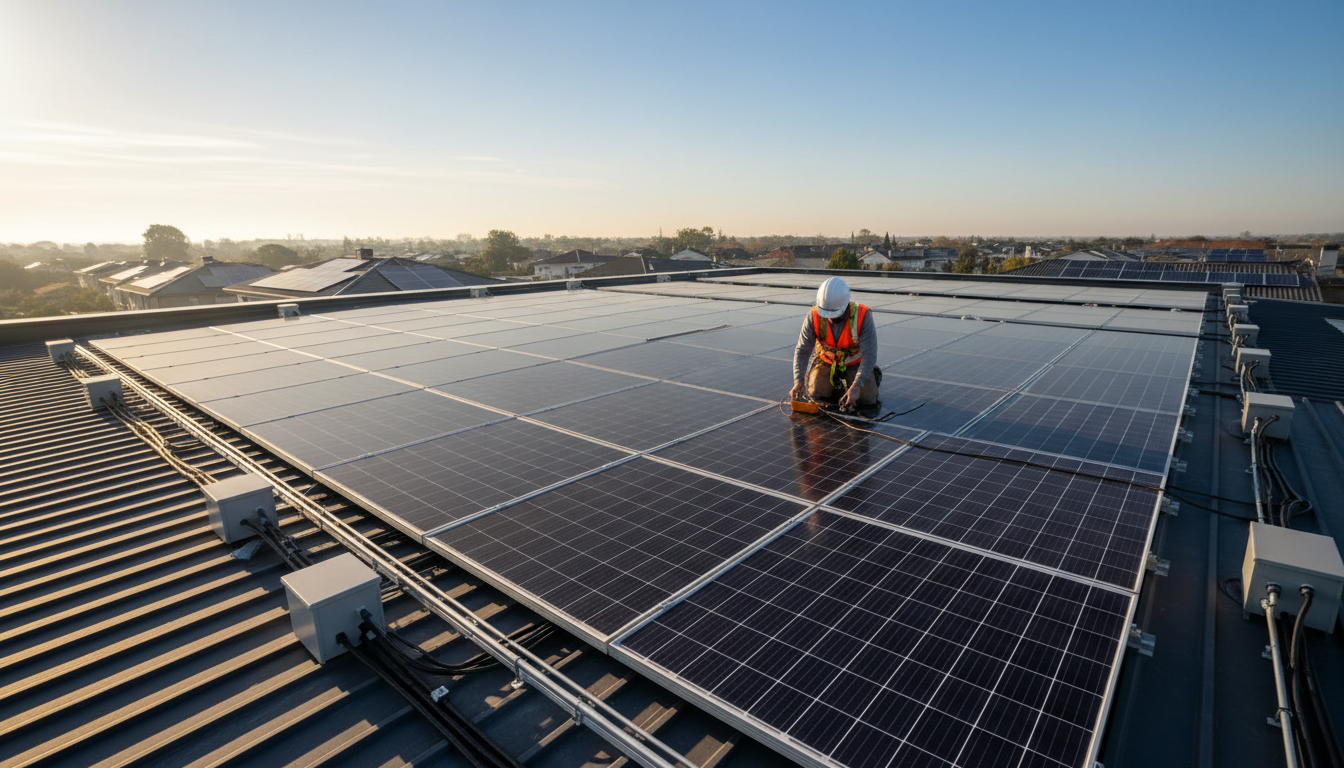
Texas, known for its vast natural resources, is leveraging solar and wind power to transform its real estate landscape. Many new developments are incorporating solar panels and wind turbines, reducing the carbon footprint and offering residents and businesses the benefit of lower energy costs.
Smart Cities and Technology
The rise of smart cities is another transformative trend. Texas cities are integrating technology to improve infrastructure, enhance public services, and reduce energy consumption. These smart technologies include intelligent traffic systems, energy-efficient street lighting, and advanced waste management solutions.
Water Conservation Techniques
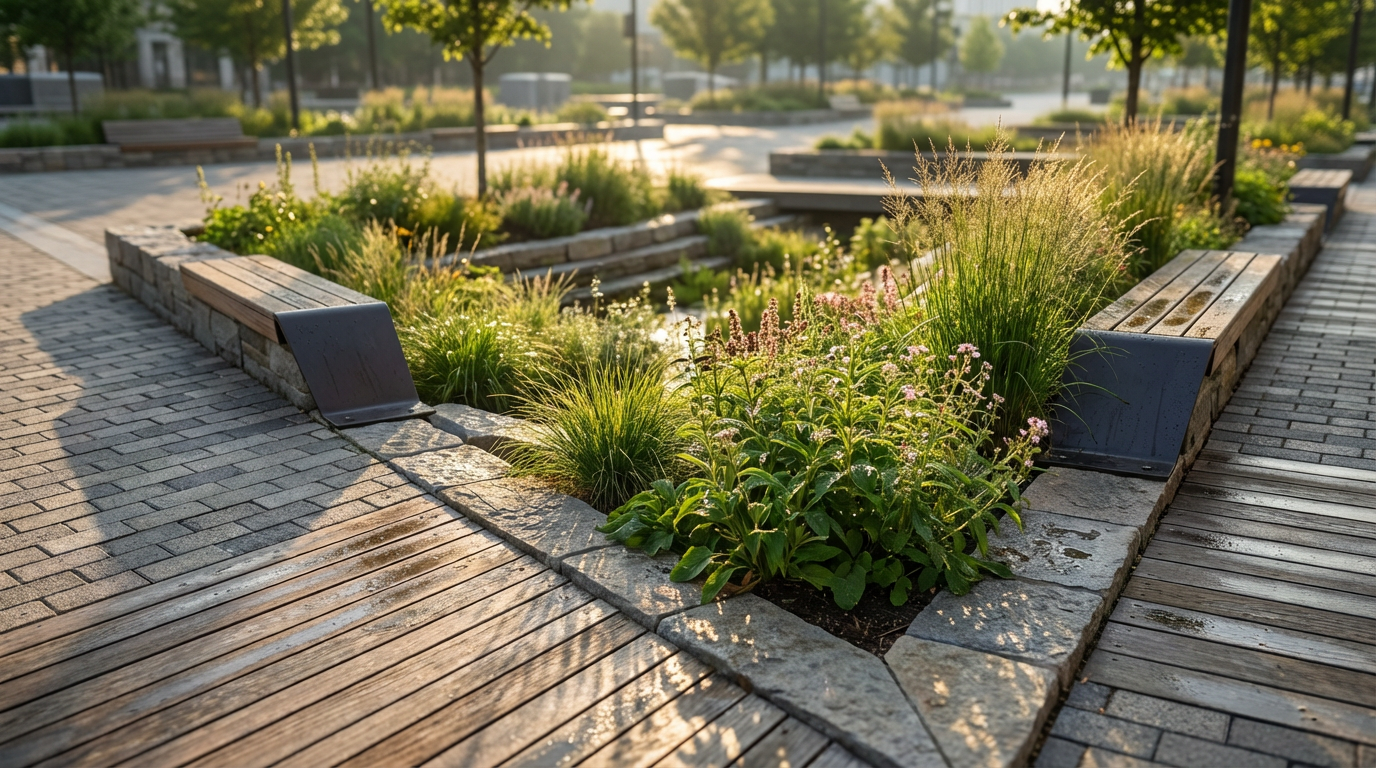
Water scarcity is a critical issue in Texas, prompting developers to incorporate innovative water conservation techniques. Rainwater harvesting, xeriscaping, and the use of drought-resistant plants are becoming standard practices in new developments, helping to preserve this precious resource.

Eco-Friendly Transportation
As urban areas continue to grow, the need for sustainable transportation options becomes more pressing. Texas cities are investing in public transportation systems, bike lanes, and electric vehicle charging stations. These initiatives not only reduce emissions but also improve the overall quality of life for residents.
The Economic Impact
Sustainable infrastructure is not just beneficial for the environment; it also has significant economic implications. Green buildings often have lower operating costs, and properties with sustainable features typically see higher market values. This trend is attracting investors and developers eager to capitalize on the growing demand for sustainable living.
Challenges and Opportunities
While the shift towards sustainable infrastructure presents numerous opportunities, it also poses challenges. Initial costs for green technologies can be high, and there is a need for skilled professionals to implement these solutions effectively. However, the long-term benefits and the potential for innovation make it a worthwhile investment.
Conclusion
In conclusion, sustainable infrastructure trends are not just a passing phase but a fundamental shift in how Texas approaches real estate development. By embracing these trends, Texas is setting a precedent for other states, paving the way towards a more sustainable and prosperous future.