The Impact of Clean Energy Initiatives on Real Estate Development
The real estate industry is witnessing a transformative shift as clean energy initiatives gain momentum. With increasing awareness of climate change and the demand for sustainable solutions, developers are integrating green technologies into their projects. This shift not only benefits the environment but also enhances property values and attracts eco-conscious buyers.
Environmental Benefits of Clean Energy
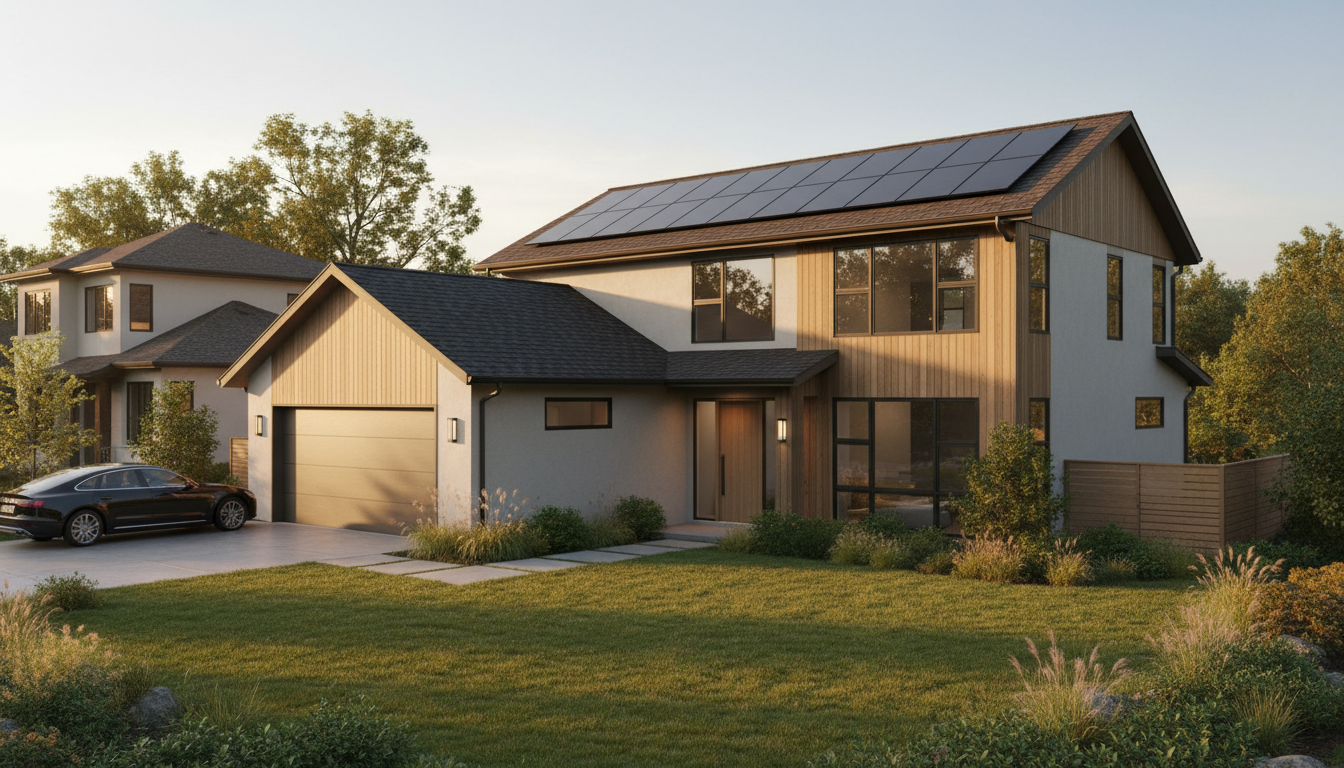
Clean energy initiatives in real estate significantly reduce carbon footprints. By utilizing solar panels, wind turbines, and geothermal systems, developments can produce their own energy, decreasing reliance on fossil fuels. This transition is crucial in combating climate change and preserving natural resources for future generations.
Moreover, green buildings often incorporate energy-efficient designs and materials. This includes improved insulation, advanced HVAC systems, and LED lighting, which collectively lower energy consumption and reduce utility bills for occupants.
Economic Advantages for Developers
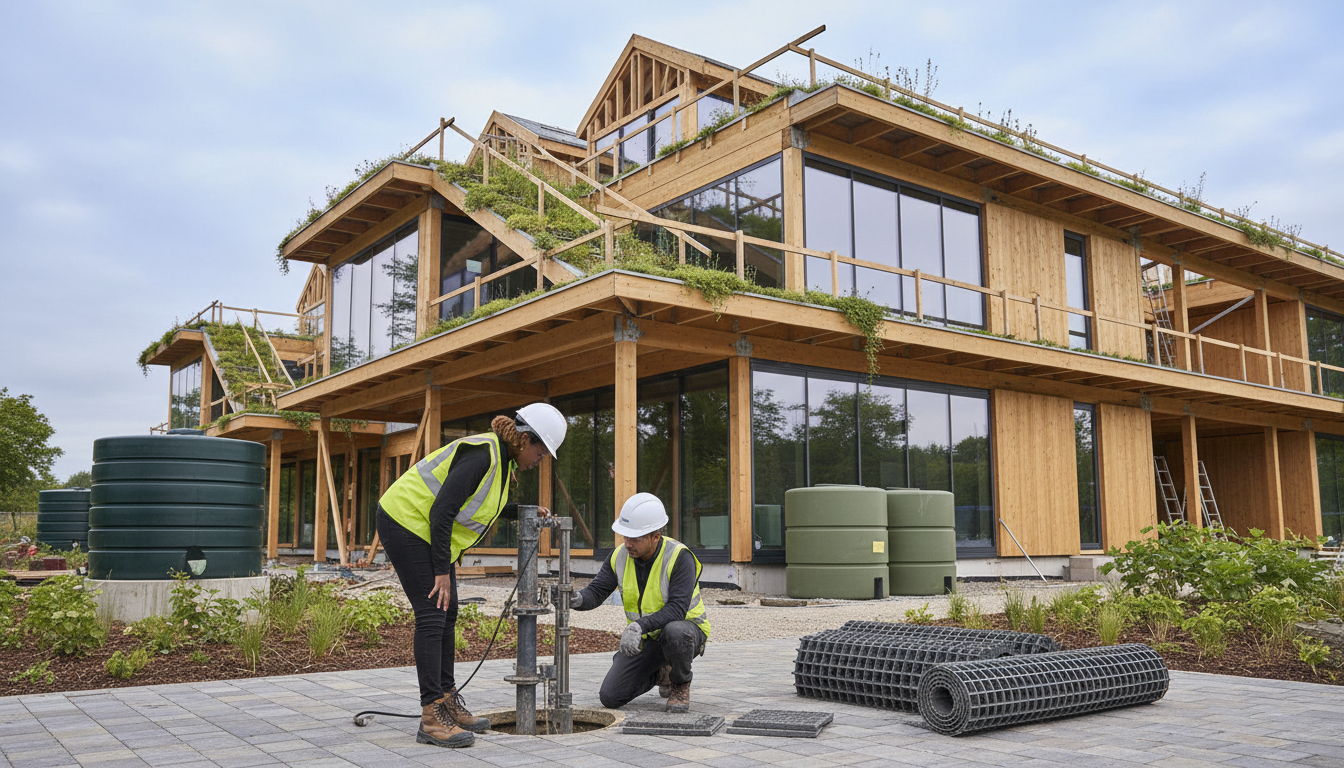
Investing in clean energy can lead to substantial economic benefits for real estate developers. Properties with sustainable features often qualify for tax incentives and grants, reducing initial investment costs. Additionally, these properties tend to have higher resale values and rental rates, providing a competitive edge in the market.
Developers also benefit from reduced operating costs over the long term. Energy-efficient buildings require less maintenance and have lower utility costs, translating into increased profitability.
Attracting Modern Buyers
Today's buyers and tenants are more environmentally conscious than ever before. They actively seek properties that align with their values, prioritizing sustainability and energy efficiency. Real estate projects that incorporate clean energy solutions are more appealing to this growing demographic.
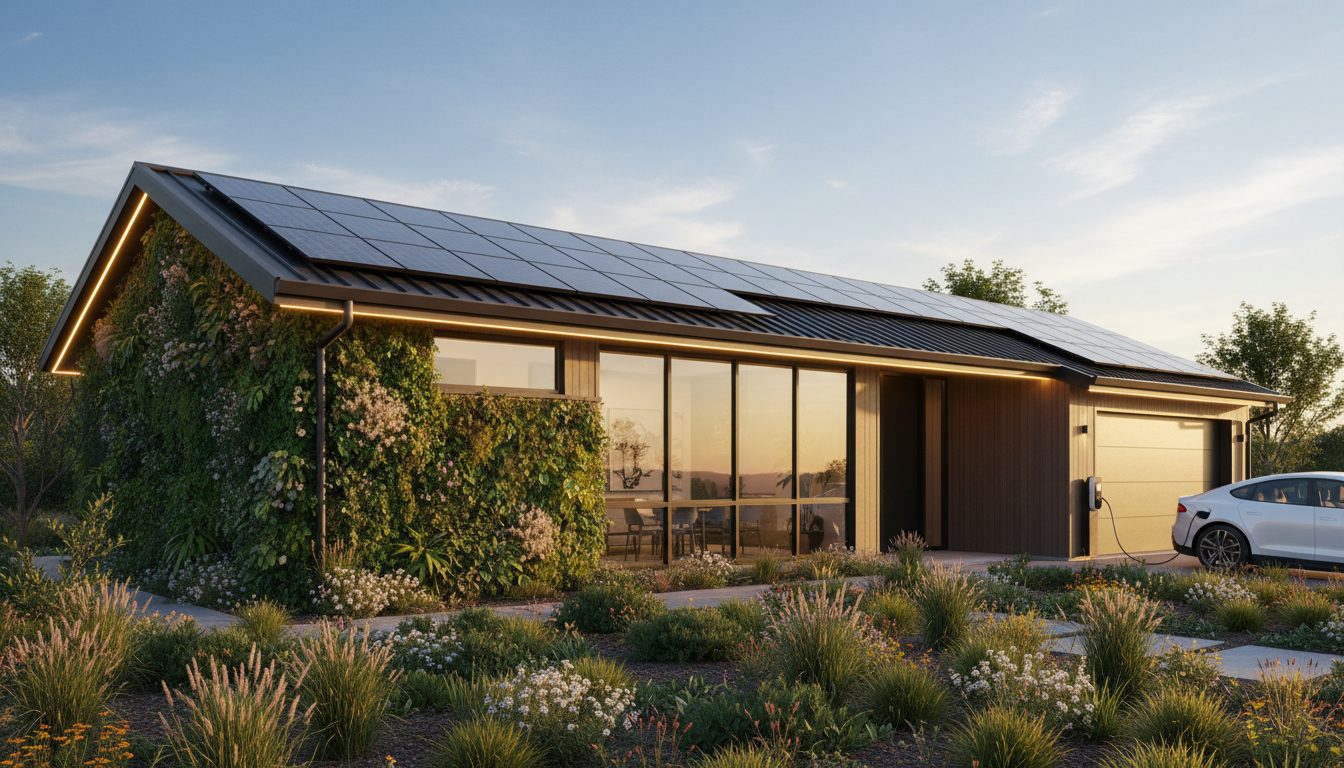
Furthermore, businesses are increasingly looking for eco-friendly office spaces to enhance their corporate social responsibility profiles. Green buildings can help companies reduce their carbon footprints, making them attractive choices for environmentally aware organizations.
Challenges and Considerations
While the benefits are clear, integrating clean energy into real estate development does present challenges. The initial costs of installing renewable energy systems can be high, and developers must navigate complex regulations and zoning laws. However, the long-term savings and environmental impact often justify these initial investments.
Additionally, staying informed about technological advancements and emerging trends is crucial for developers aiming to incorporate clean energy solutions effectively. Continuous education and collaboration with sustainability experts can help overcome these challenges.

The Future of Real Estate Development
The push for clean energy is reshaping the real estate landscape. As technology advances and public awareness grows, sustainable development will become the norm rather than the exception. Developers who embrace this trend early will not only contribute to a healthier planet but also enjoy financial and competitive advantages.
In conclusion, clean energy initiatives are more than just a trend; they represent a fundamental shift in how real estate is developed and perceived. By prioritizing sustainability, developers can meet the demands of modern consumers while ensuring a prosperous and environmentally responsible future.