The Role of Clean Energy Initiatives in Modern Real Estate Development
Introduction to Clean Energy in Real Estate
In recent years, the importance of sustainable practices has become a central focus in various industries, including real estate development. The incorporation of clean energy initiatives is no longer just an option but a necessity for modern developers. As concerns about climate change and environmental impact grow, real estate professionals are turning to renewable energy sources to create environmentally friendly and economically viable projects.
Clean energy initiatives in real estate not only help in reducing carbon footprints but also enhance the appeal of properties. Homebuyers and investors are increasingly prioritizing sustainability, making green buildings a lucrative investment.
The Impact of Clean Energy on Property Value
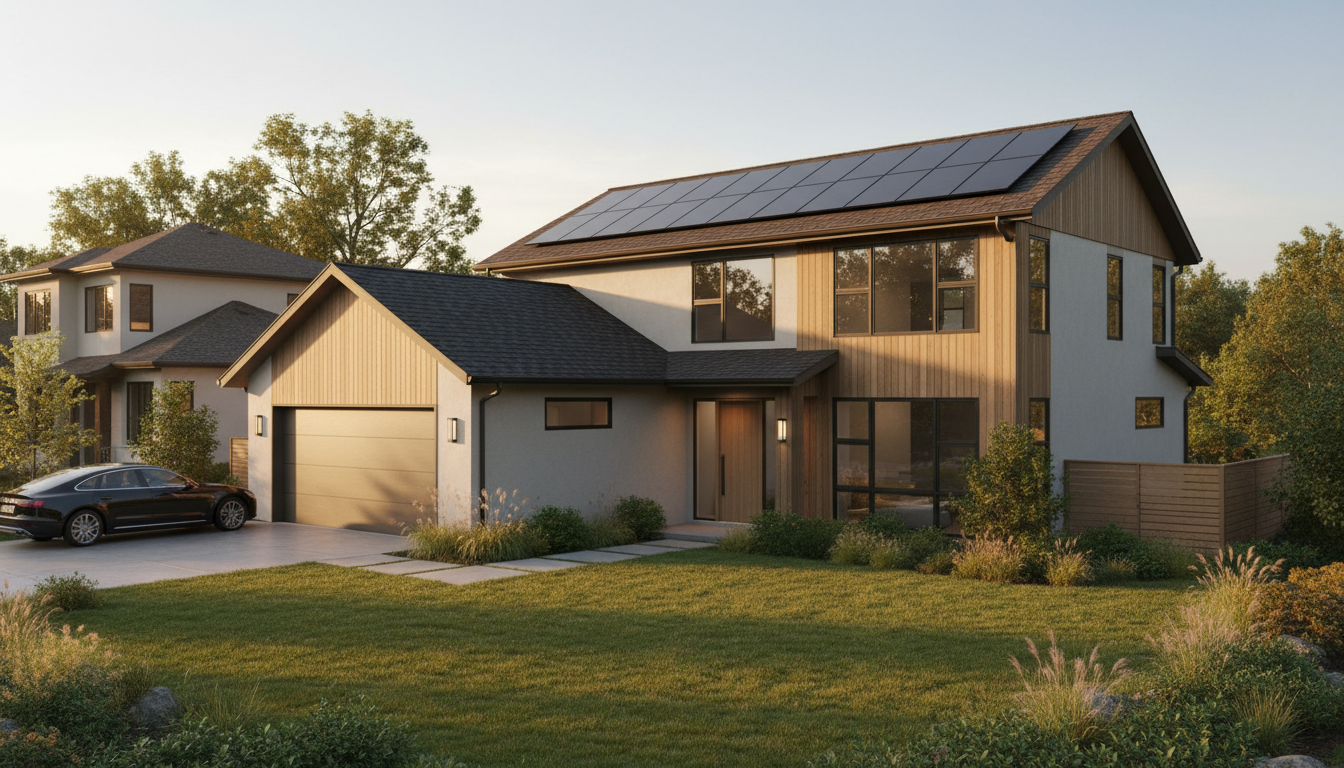
Implementing clean energy solutions can significantly boost property value. Homes equipped with solar panels, geothermal systems, or wind turbines are often more attractive to potential buyers. These features promise lower utility costs and align with the growing demand for sustainable living spaces.
Additionally, properties with energy-efficient systems often qualify for tax incentives and rebates, further increasing their value. This financial benefit is a compelling reason for developers to integrate renewable energy technologies into their projects.
Energy Efficiency as a Selling Point
Energy efficiency has become a key selling point in the real estate market. Developers who prioritize green technologies can differentiate their properties from competitors. Marketing a property as energy-efficient appeals to environmentally conscious buyers and can expedite the sales process.

Technological Advancements in Clean Energy
The rapid advancement of technology has made clean energy solutions more accessible and affordable for developers. Innovations in solar panel efficiency, energy storage systems, and smart home technologies are revolutionizing how real estate projects are conceived and constructed.
Developers are now able to integrate these systems seamlessly into building designs, creating smart, energy-efficient homes that are both functional and aesthetically pleasing. This technological integration supports a sustainable lifestyle without compromising on comfort or convenience.
Challenges and Opportunities
While the benefits of clean energy initiatives are clear, there are challenges that developers must navigate. High initial costs and logistical complexities can deter some from adopting these technologies. However, as the market for sustainable real estate grows, these barriers are gradually diminishing.
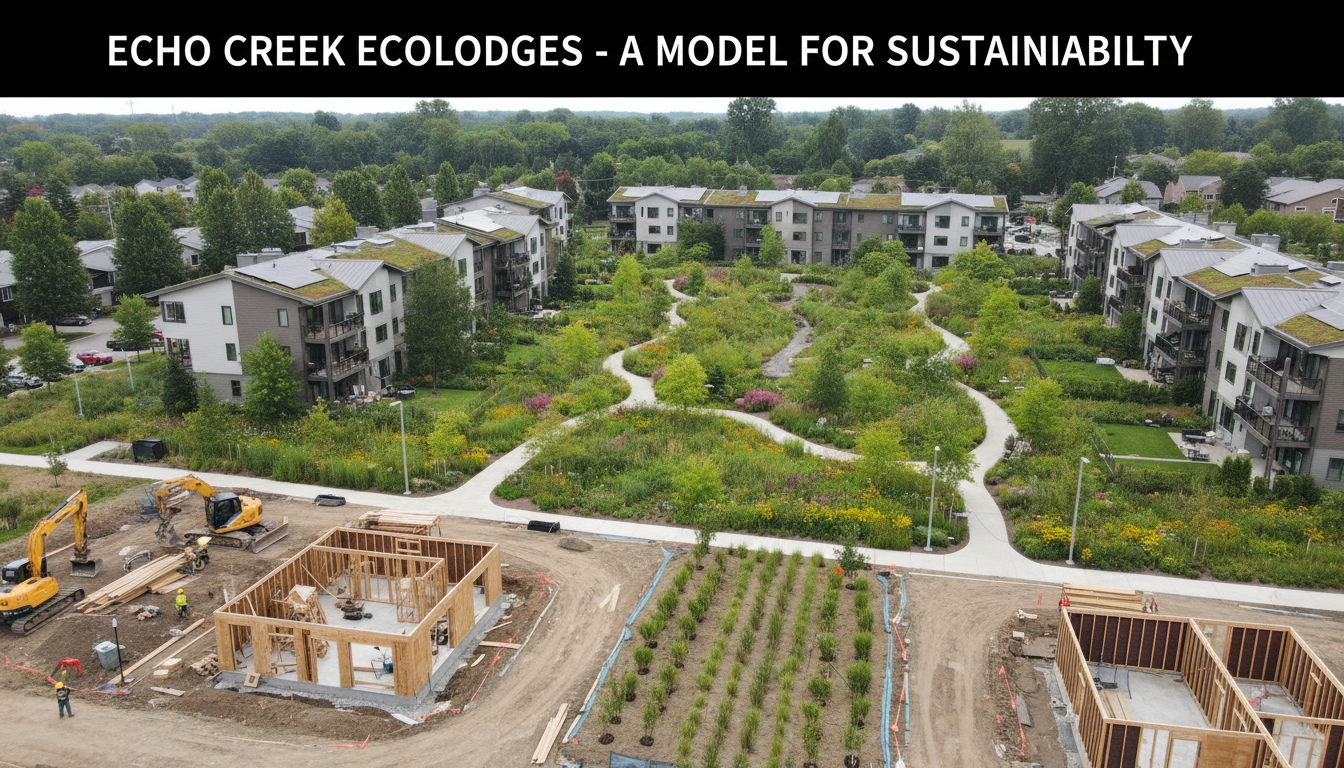
Opportunities abound for those willing to embrace the shift towards sustainability. By staying ahead of regulatory changes and consumer demands, developers can position themselves as leaders in the green building movement, opening doors to new markets and revenue streams.
The Future of Real Estate Development
The future of real estate development is undeniably intertwined with clean energy initiatives. As urban areas continue to expand, sustainable practices will play a critical role in shaping the cities of tomorrow. Developers who prioritize these initiatives will not only contribute to a healthier planet but also ensure the long-term success and resilience of their projects.
In conclusion, clean energy initiatives are transforming the real estate industry, offering both environmental and economic benefits. By embracing these changes, developers can create sustainable, energy-efficient communities that meet the needs of today's eco-conscious consumers.