The Role of Federal and State Priorities in Real Estate Development
Understanding Federal and State Priorities
Real estate development is a complex field influenced significantly by both federal and state priorities. These priorities guide the planning, financing, and execution of projects, ensuring they align with broader public objectives. Understanding the interplay between these levels of governance is crucial for developers aiming to navigate regulatory landscapes effectively.

Federal Priorities in Real Estate
On the federal level, priorities often revolve around national economic stability, housing affordability, and infrastructure development. Policies such as tax incentives and grants are designed to stimulate investment and support projects that align with these goals. Federal agencies like the Department of Housing and Urban Development (HUD) play a pivotal role in shaping these priorities.
Additionally, environmental regulations enforced by federal entities, such as the Environmental Protection Agency (EPA), ensure that real estate projects meet sustainability standards. These regulations are crucial for promoting environmentally responsible development.
State Priorities and Their Impact
State governments tailor their priorities to address specific regional needs. This includes zoning laws, building codes, and local infrastructure projects. States may offer incentives like tax abatements or subsidies to encourage development in certain areas, aligning with their economic growth strategies.
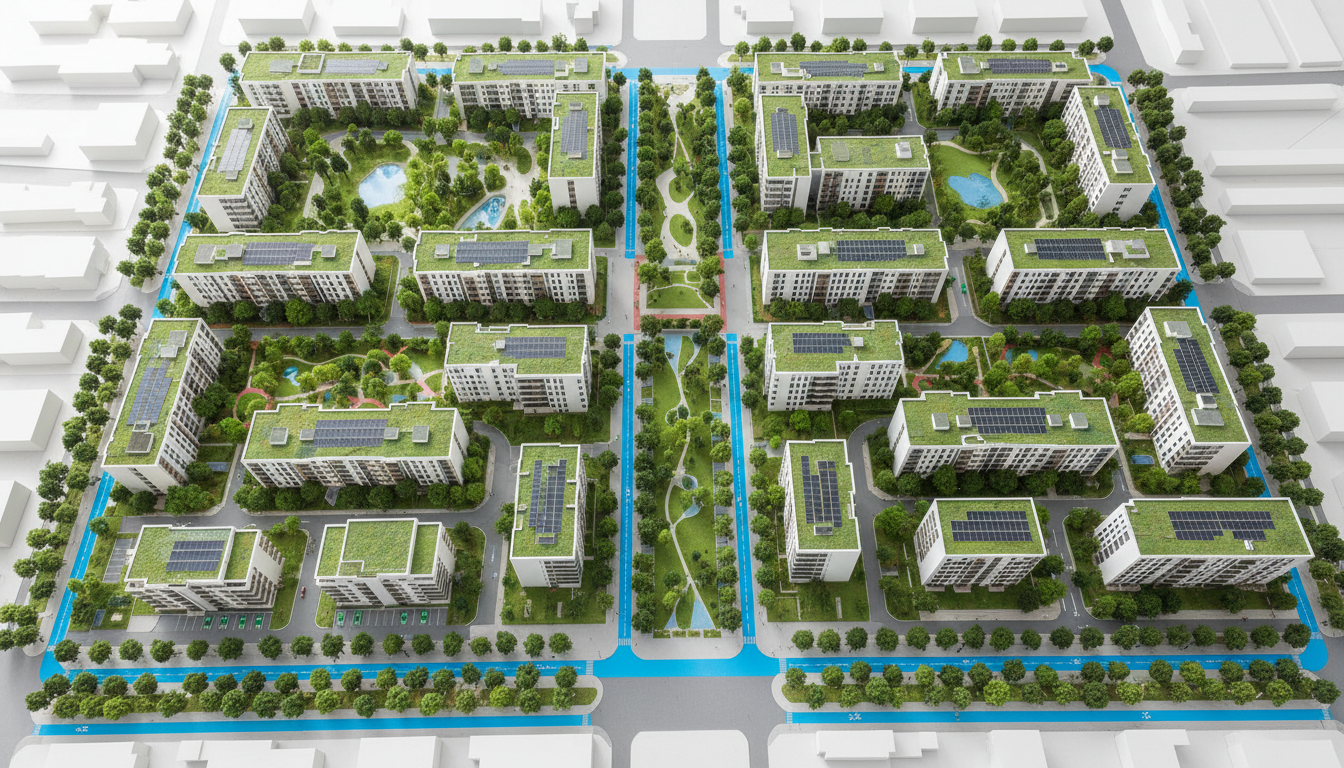
Furthermore, state priorities can reflect local cultural and historical preservation goals. Developers must consider these when planning projects, as they can significantly influence the design and implementation of real estate developments.
Balancing Federal and State Objectives
Navigating the sometimes conflicting priorities of federal and state governments requires strategic planning. Developers must work closely with legal experts and government officials to ensure compliance and maximize benefits from available incentives.
One approach is to focus on projects that align with both federal and state goals, such as affordable housing developments that also incorporate sustainable building practices. This dual alignment can streamline approval processes and enhance project viability.

The Role of Public-Private Partnerships
Public-private partnerships (PPPs) are increasingly used to bridge the gap between federal and state priorities in real estate development. These collaborations leverage private sector efficiency and public sector support to deliver projects that might otherwise face financial or logistical hurdles.
PPPs are particularly effective in large-scale infrastructure projects, where federal funding, state oversight, and private expertise can converge to deliver successful outcomes. For developers, engaging in PPPs can provide access to resources and opportunities that align with broader governmental objectives.
Future Trends in Real Estate Development
Looking forward, real estate development will continue to evolve in response to changing federal and state priorities. Emerging trends such as smart cities, green building technologies, and transit-oriented developments are likely to receive increasing attention and support.
Understanding these trends and their alignment with government priorities will be essential for developers aiming to stay competitive and relevant in the industry. By anticipating shifts in regulatory focus, developers can position their projects to benefit from upcoming opportunities.