The Role of Sustainable Practices in Texas's Construction Future
Understanding Sustainable Practices in Construction
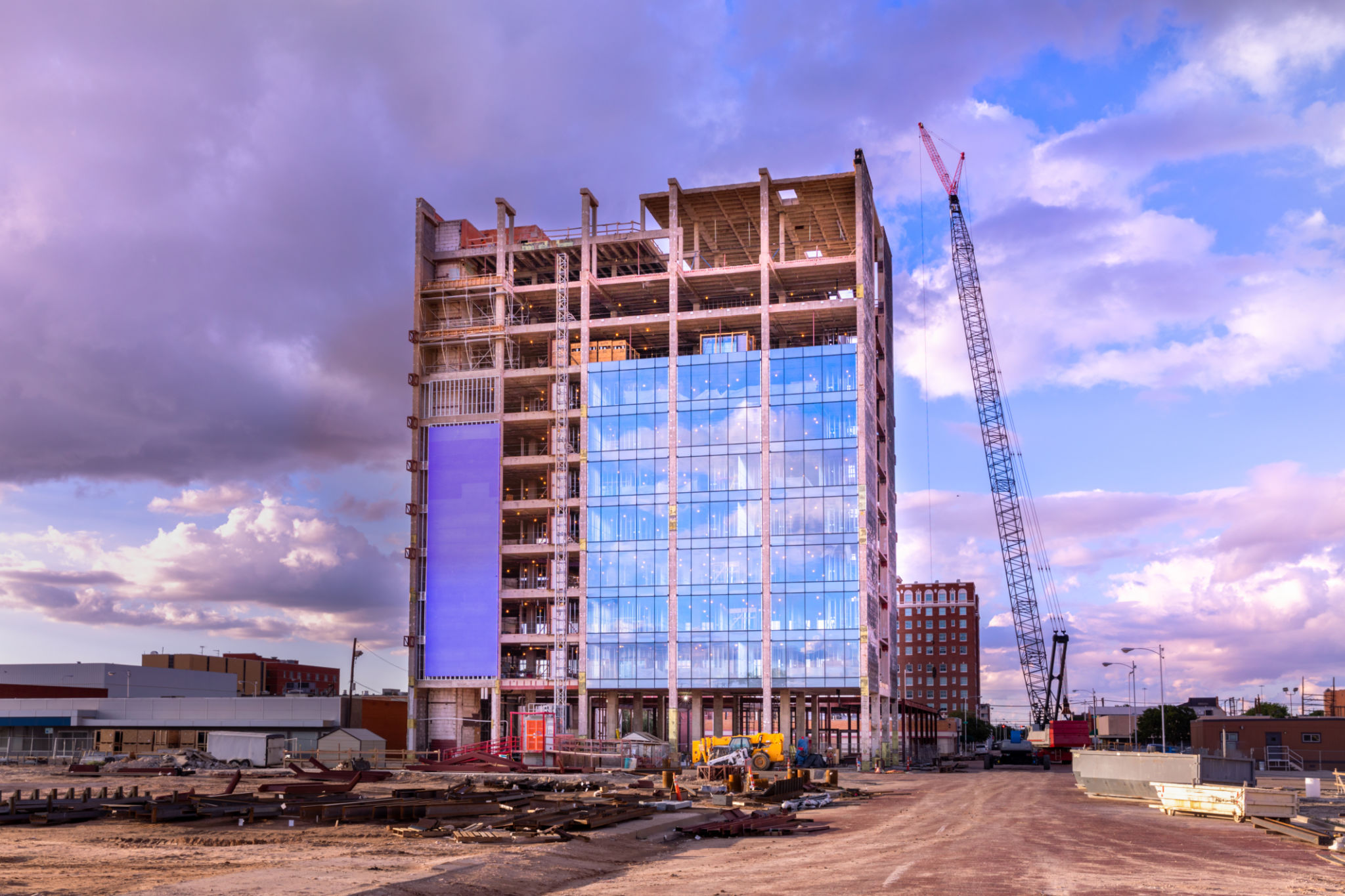
As Texas continues to experience rapid growth, the construction industry finds itself at a pivotal moment. The demand for new buildings and infrastructure is rising, but so is the awareness of environmental impacts. Sustainable practices in construction are becoming more critical than ever, not only for reducing the carbon footprint but also for meeting the expectations of eco-conscious communities.
Incorporating sustainability into construction involves several innovative strategies and technologies. From energy-efficient materials to water conservation systems, the move towards greener construction is reshaping the industry. These practices not only benefit the environment but also offer long-term economic advantages.
Key Sustainable Practices in Texas Construction
Energy Efficiency and Renewable Energy
One of the most significant shifts in Texas construction is the emphasis on energy efficiency. Buildings are now designed with cutting-edge insulation, smart HVAC systems, and high-performance windows to minimize energy consumption. Additionally, the integration of renewable energy sources, such as solar panels, is becoming increasingly common, harnessing Texas's abundant sunshine to power buildings sustainably.
By reducing reliance on conventional energy sources, these green buildings help decrease greenhouse gas emissions, contributing to a cleaner environment. Furthermore, the use of energy-efficient appliances and systems can lead to substantial cost savings over time, making them an attractive option for developers and homeowners alike.

Water Conservation and Management
Water scarcity is a pressing issue in many parts of Texas. As a result, construction projects are incorporating water-saving technologies to address this challenge. Low-flow fixtures, rainwater harvesting systems, and drought-resistant landscaping are just a few methods being used to conserve water. These initiatives are crucial in regions prone to drought, ensuring that buildings can operate efficiently with minimal environmental impact.
Additionally, stormwater management systems are being implemented to reduce runoff and improve water quality. By capturing and reusing stormwater, these systems help alleviate the strain on local water resources and infrastructure, promoting a more sustainable urban environment.
Benefits of Sustainable Construction
Environmental and Economic Advantages
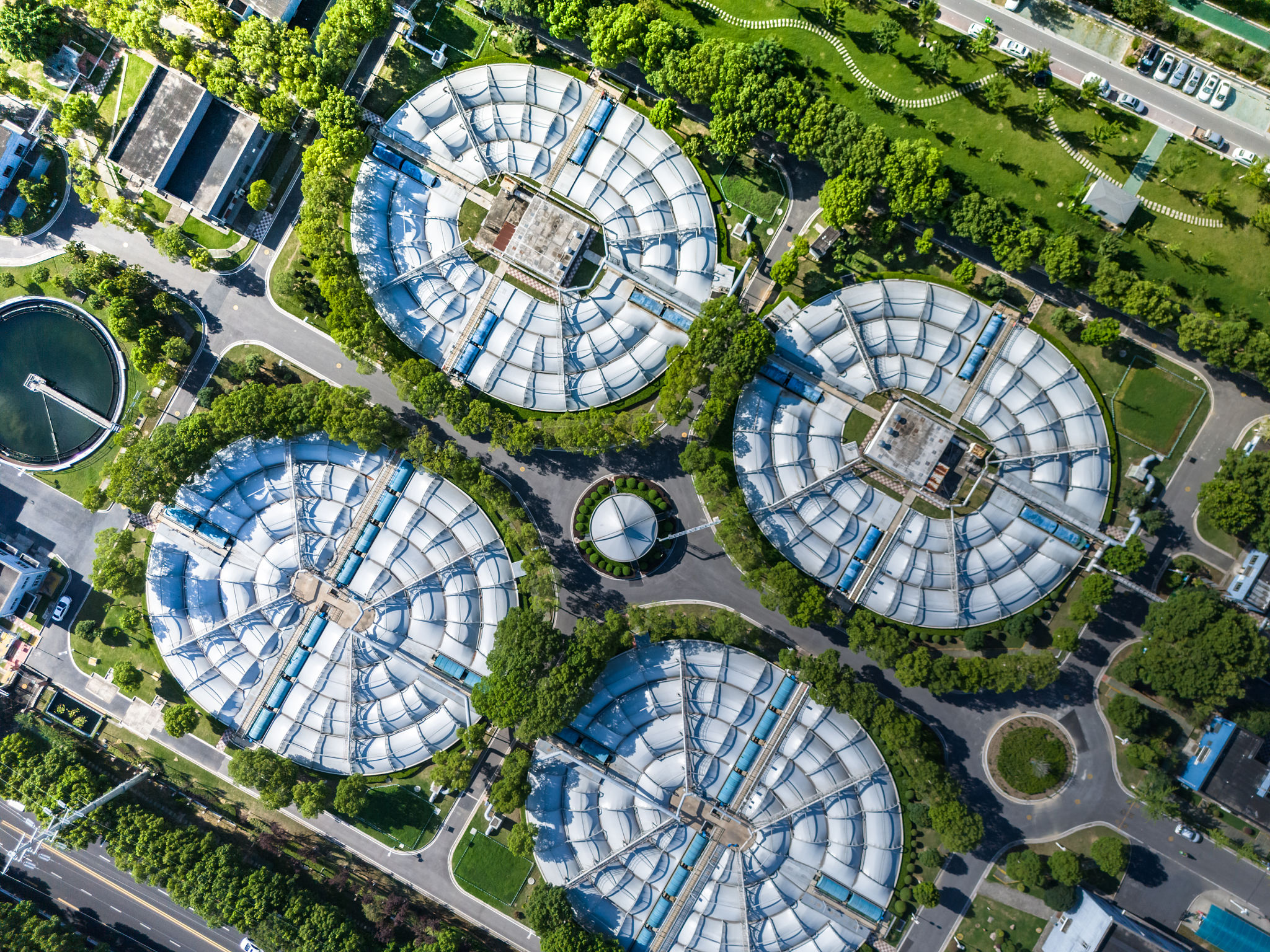
Adopting sustainable practices in construction offers numerous benefits. Environmentally, it significantly reduces waste, lowers emissions, and conserves natural resources. Economically, green buildings often have higher property values and lower operating costs due to energy efficiency and reduced maintenance needs. These factors make sustainable construction a smart investment for the future.
Moreover, sustainable projects often qualify for various incentives and certifications, such as LEED (Leadership in Energy and Environmental Design), which can enhance a building's marketability. As more consumers prioritize sustainability, these certifications can provide a competitive edge in the market.

Enhancing Community Well-being
Beyond environmental and economic benefits, sustainable construction practices also enhance community well-being. By creating healthier indoor environments with improved air quality and natural lighting, these buildings contribute to the health and comfort of their occupants. This focus on occupant well-being aligns with the broader trend of prioritizing human health alongside environmental sustainability.
As Texas continues to grow, the integration of sustainable practices in construction will play a crucial role in shaping the state's future. By embracing these innovations, the construction industry can help build a more resilient, eco-friendly, and prosperous Texas for generations to come.