Understanding the Redevelopment Process: A Comprehensive Guide
Introduction to Redevelopment
Redevelopment is a critical process in urban planning and real estate, aimed at revitalizing areas that have fallen into disuse or decay. It involves the transformation of existing structures and spaces to meet current and future needs. This process can significantly impact communities by enhancing economic growth, improving infrastructure, and increasing property values.
Initial Assessment and Planning
The redevelopment process begins with a thorough assessment of the area in question. This includes evaluating existing structures, infrastructure, and the needs of the community. Planners must also consider environmental factors, zoning laws, and potential challenges. A comprehensive plan is then developed to guide the project, ensuring it aligns with both local regulations and community goals.
Community Engagement
Engaging with the community is a crucial step in the redevelopment process. Stakeholders, including residents, business owners, and local authorities, should have a say in the planning stages. This collaboration helps identify community priorities and fosters a sense of ownership and support for the project.

Design and Approval
Once the initial plans are in place, the design phase begins. Architects and engineers work to create detailed plans that meet the project's objectives. This phase involves selecting materials, designing infrastructure, and ensuring that the proposed changes will be sustainable and beneficial in the long run.
Securing Approvals
Before construction can commence, necessary approvals must be obtained from relevant authorities. This includes zoning permits, environmental clearances, and any other legal requirements. The approval process can be lengthy, requiring patience and meticulous attention to detail.

Construction and Development
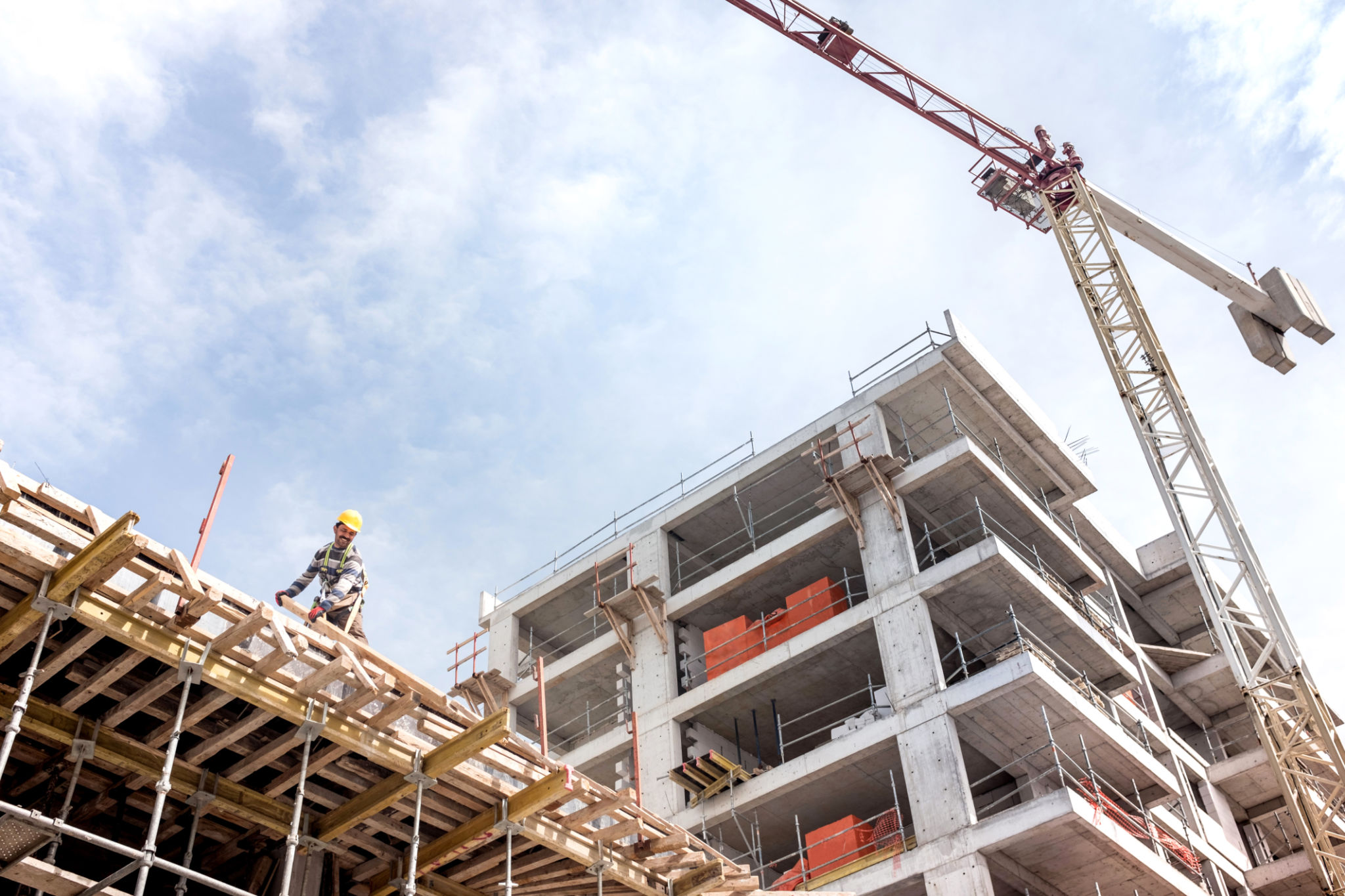
With plans approved, the construction phase begins. This involves the demolition of any existing structures, followed by the building of new infrastructure. Construction teams work according to the timeline set out in the planning phase, with a focus on safety and efficiency.
Monitoring Progress
Throughout the construction process, continuous monitoring ensures that the project stays on schedule and within budget. Regular updates and inspections help identify and address any issues promptly.

Completion and Evaluation
Upon completion, the redevelopment project undergoes a final evaluation. This includes ensuring that all work meets the specified standards and that the project achieves its intended goals. An official handover marks the transition from construction to utilization.
Long-term Impact
The ultimate success of a redevelopment project is measured by its long-term impact on the community. Positive outcomes include increased property values, improved infrastructure, and enhanced quality of life for residents. Ongoing maintenance and community support are vital to sustaining these benefits.